
AI Stylists vs Human Stylists: Who Will Win?
By Rachel Brown
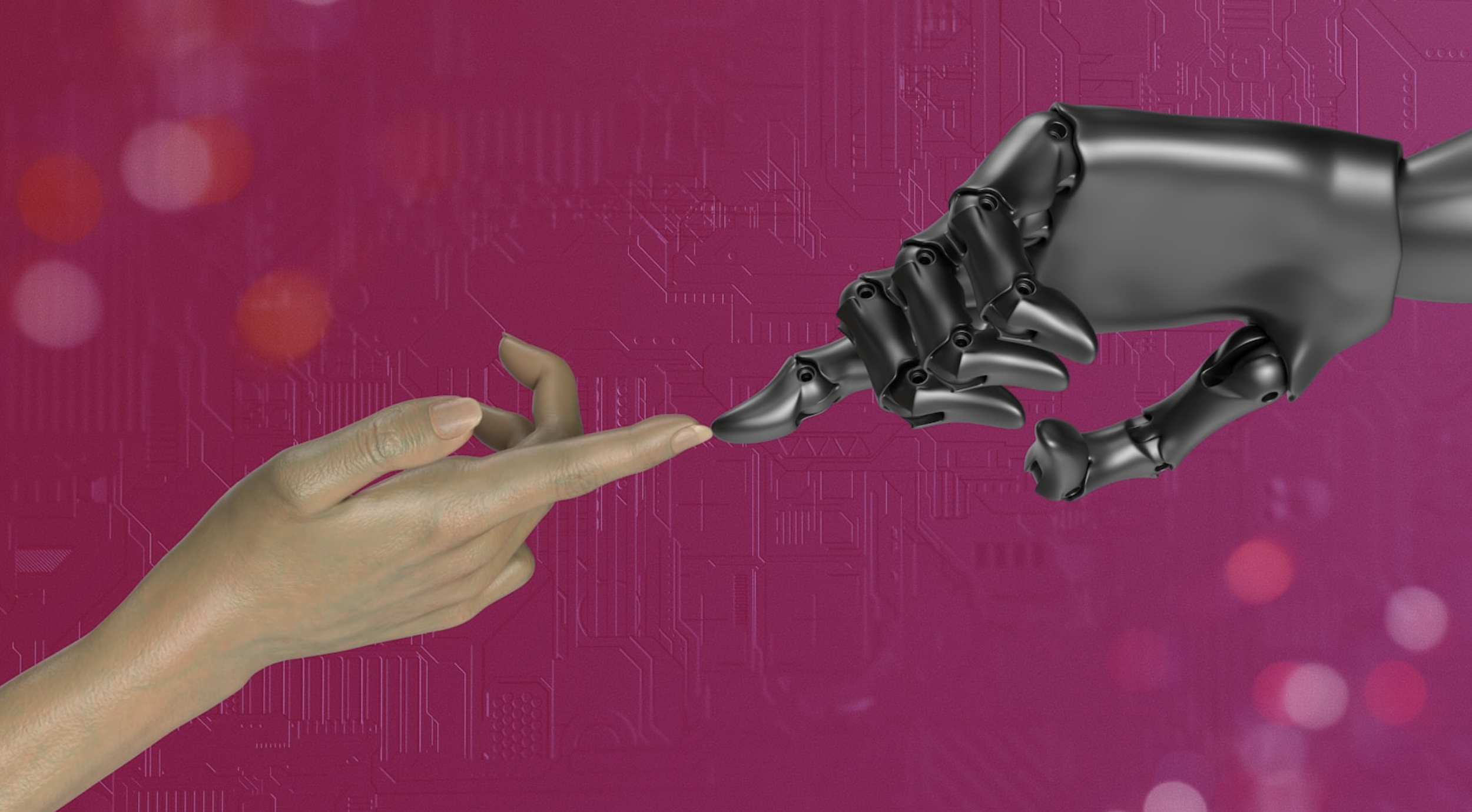
By Igor Omilaev via Unsplash
It’s 2025 and your wardrobe judgments are no longer whispered by a best friend or a personal shopper. Instead, an algorithm reads your calendar, mood, body data, and even forecast for the weather – and delivers a perfectly tailored outfit before you’ve even made breakfast. But can AI actually out-style a human?
Looking at how AI-driven personal styling tools like apps, virtual try-ons and subscription platforms compare to the artistry of human stylists. It examines who excels at what – and whether the future belongs to one or the other.
Consumers love AI styling for things like speed, cost, personalisation, anonymity (no judgment) and 24/7 availability. It “learns” your style through metadata, purchase patterns, body measurements, and visual taste
So, what does AI really get right? Consistency.
AI remembers everything – your colour preference and climate, to your daily lifestyle. It can generate or source outfits more or less instantly, and it can be tailored to align with your budget. AI can predict clothing sizing better than most brands’ charts. Algorithms also analyse thousands of runway images and social trends at once. AI doesn’t get creative blocks; it gets updates.
What about what AI gets wrong? Lack of emotional intelligence. It can sense patterns, but not feelings, heartbreak, confidence dips, or the excitement of a first date.
Algorithms may miss the context behind certain items of clothing, accessories, or hairstyles. AI also tends to play it safe unless directly asked to push boundaries, which includes placing all users into one aesthetic. Take a dramatic event, for example (job change, breakup) that a human stylist would intuitively respond to, but an AI might not.
Now on to the strengths of human stylists, they read body language, insecurities, and aspirations. They create not just clothes but identity and confidence. They also have industry relationships (showrooms, sample sales, designers). They create stories through outfits – something algorithms still struggle with.
They advocate for clients, tailoring looks to events with more complex social clues (black tie? industry dinner? cultural ceremony?).
However, humans can fall short, too. With high cost and limited availability, this includes premium hourly/session rates and required scheduling, which may not be accommodating to some users. Some would say style biases and personal taste can override clients’ needs, and while stylists can always ask personalised questions, unlike AI, a human can’t track 10 years of purchases or daily activities.
Is hybrid styling the real winner here? We are looking at a world where collaboration is the most likely of answers, as most stylists use AI as a helpful tool rather than a rival, as it helps with trend analysis, colour matching, wardrobe cataloguing, and forecasting – while humans add narrative, emotion, intuition, and edge.
Together, they deliver something more accurate and more imaginative than either can do alone. The future isn’t about choosing sides; it’s about synergy.
In the end, the rise of the algorithmic stylist isn’t a story about machines replacing humans, but about how each side fills each other’s gaps.
AI brings precision, speed, memory, and limitless consistency, while human stylists offer the nuance, intuition, and emotional intelligence that clothes alone can’t express. As algorithms learn from our habits and preferences, they excel at pattern recognition, fit prediction, and trend analysis, yet they still struggle to understand the deeper narratives that shape the way we dress as we do.
Likewise, humans can interpret subtle shifts in mood or life changes, but they can’t go through years of data in seconds. The real future of style sits at the intersection of both – a hybrid model where technology handles the “heavy lifting” and humans shape the meaning. This synergy promises styling that is more personal, more responsive, and more imaginative than either could achieve alone.
So, the question becomes less about whether AI can replace a stylist and more about how we want to collaborate with it. If an AI dressed you for the next 30 days, would anyone notice it – including you?