
Experts Warns Students Are Severly Sleep-Deprived
By Rachel Brown
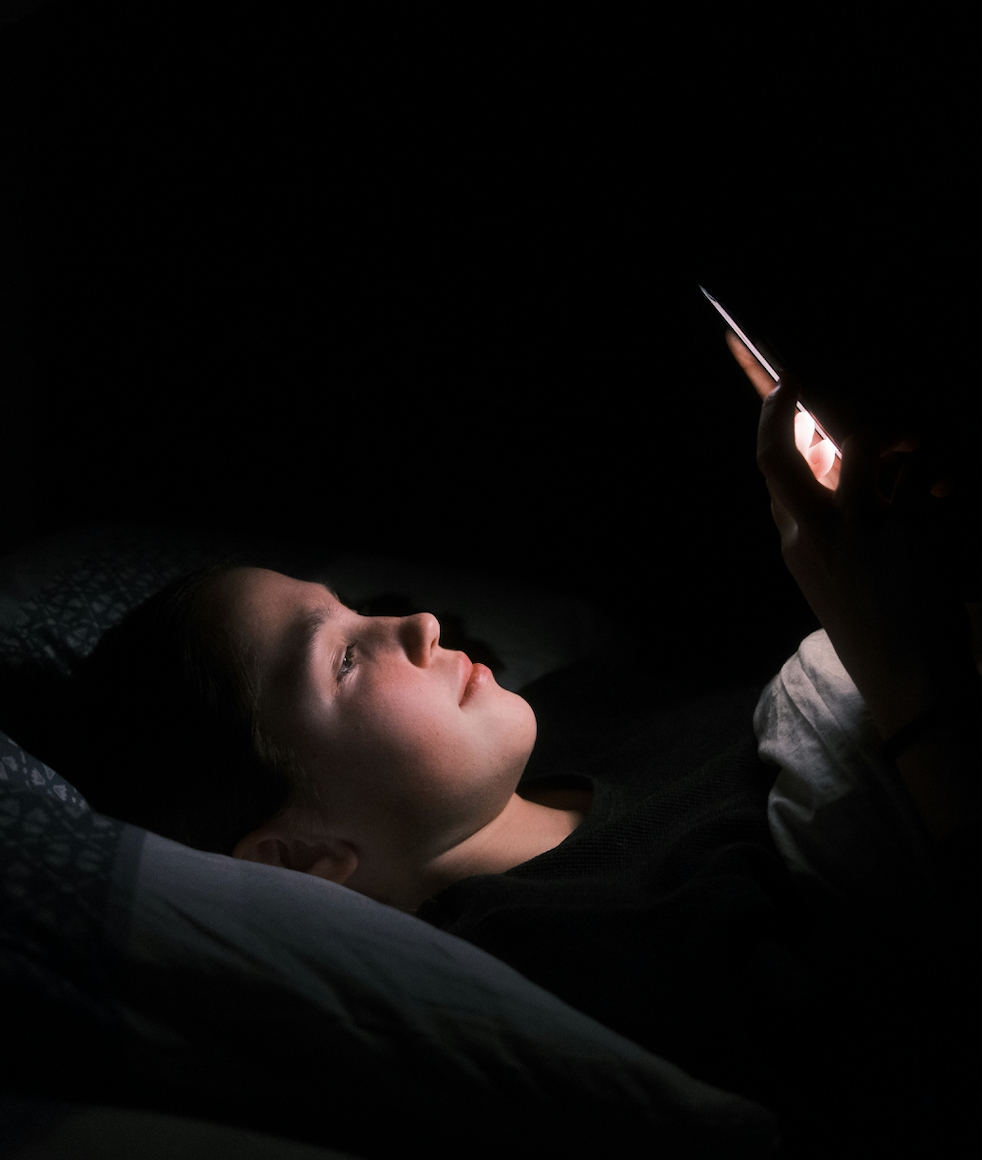
By Kajetan Sumila via Unsplash
Around 60% of university students report poor sleep quality, according to research on student well-being. Many get less than the recommended seven to nine hours of sleep per night. With coursework deadlines, part-time jobs and constant phone use, sleep is often among the first things students sacrifice.
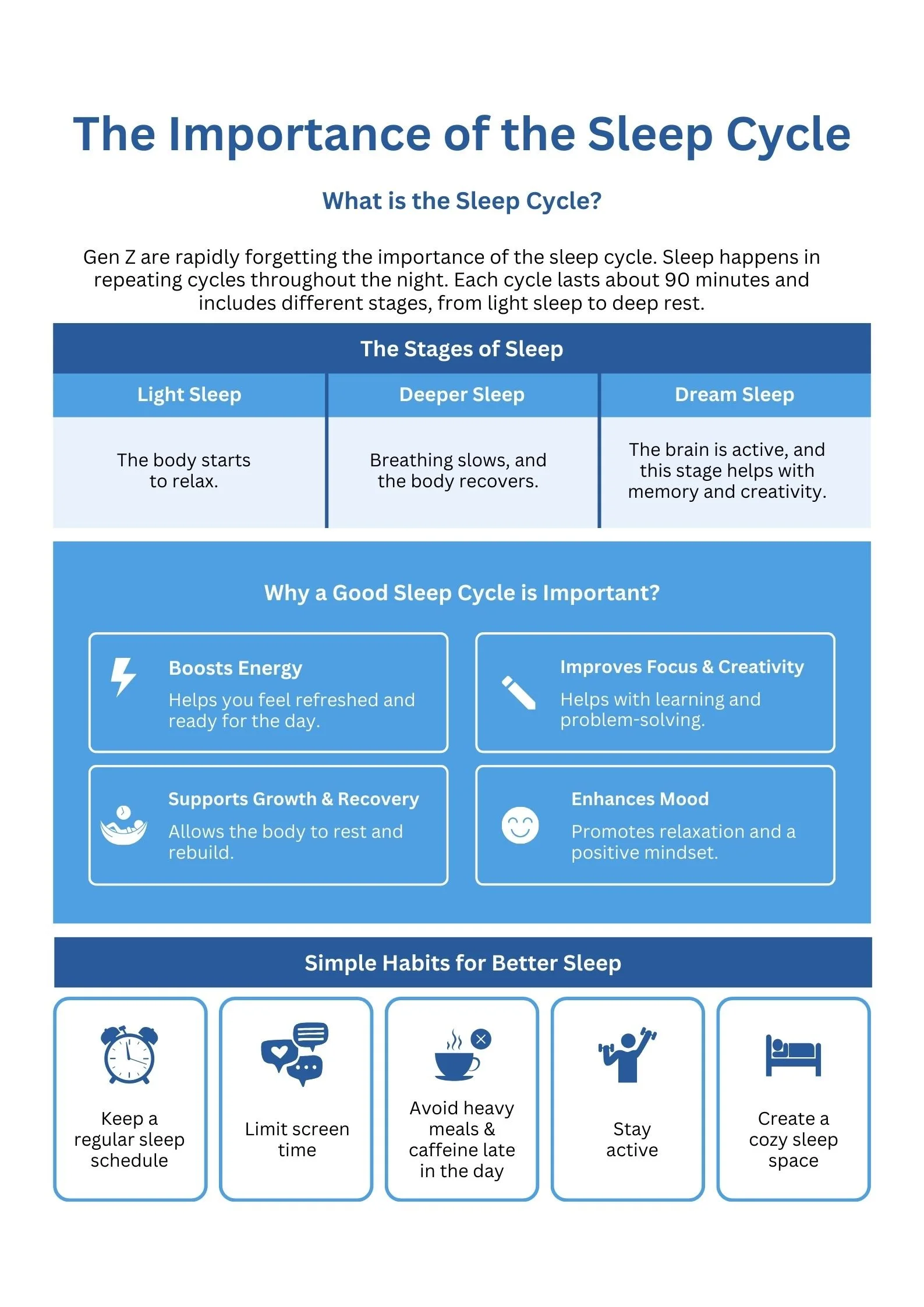
Infographic Poster about the Importance of Sleep
But experts say the issue goes deeper than busy schedules.
Dr Megan Crawford, a psychology researcher at Strathclyde University, explains that biology plays a key role in why young people are struggling to sleep.
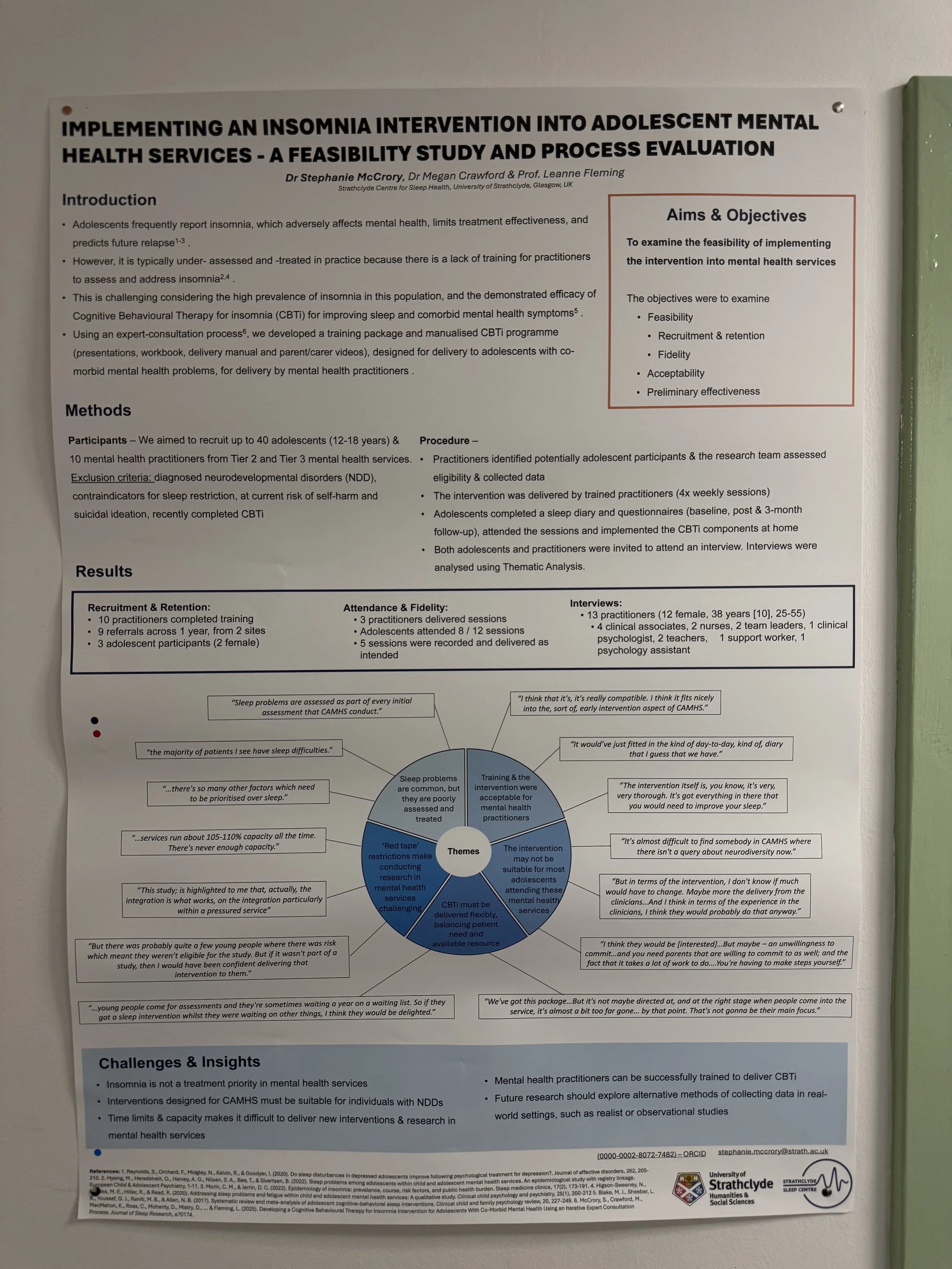
Insomnia Prevention Poster at Strathclyde University
She said: “At adolescence or early adulthood, we still have a very delayed sleep-wake rhythm.”
This means several students feel more alert later at night and find it difficult to fall asleep early, even when they have morning classes the next day.
However, Crawford believes there are simple steps students can take to improve their sleep habits. She describes the “Three C’s”: cool, consistency and control.
Keeping a bedroom cool can help the body relax and prepare for rest and consistency, which means going to bed and waking up at similar times each day, even on weekends. Control refers to controlling the factors that affect sleep, such as limiting screen time and exposure to bright light before bedtime.

By Greg Pappas via Unsplash
The consequences of poor sleep can be significant. Lack of rest has been linked to reduced concentration, lower academic performance and increased stress levels among students.
Crawford stresses that students should pay attention to how they feel rather than ignoring signs of fatigue.
Her key message is to “listen to your body,” which is increasingly recognised as an essential part of both physical health and academic success.
While busy student lifestyles can make rest difficult to prioritise, experts say developing healthier sleep habits could make a noticeable difference.