
Should CCTV Camera be Installed in Classrooms?
By Emma Crossan
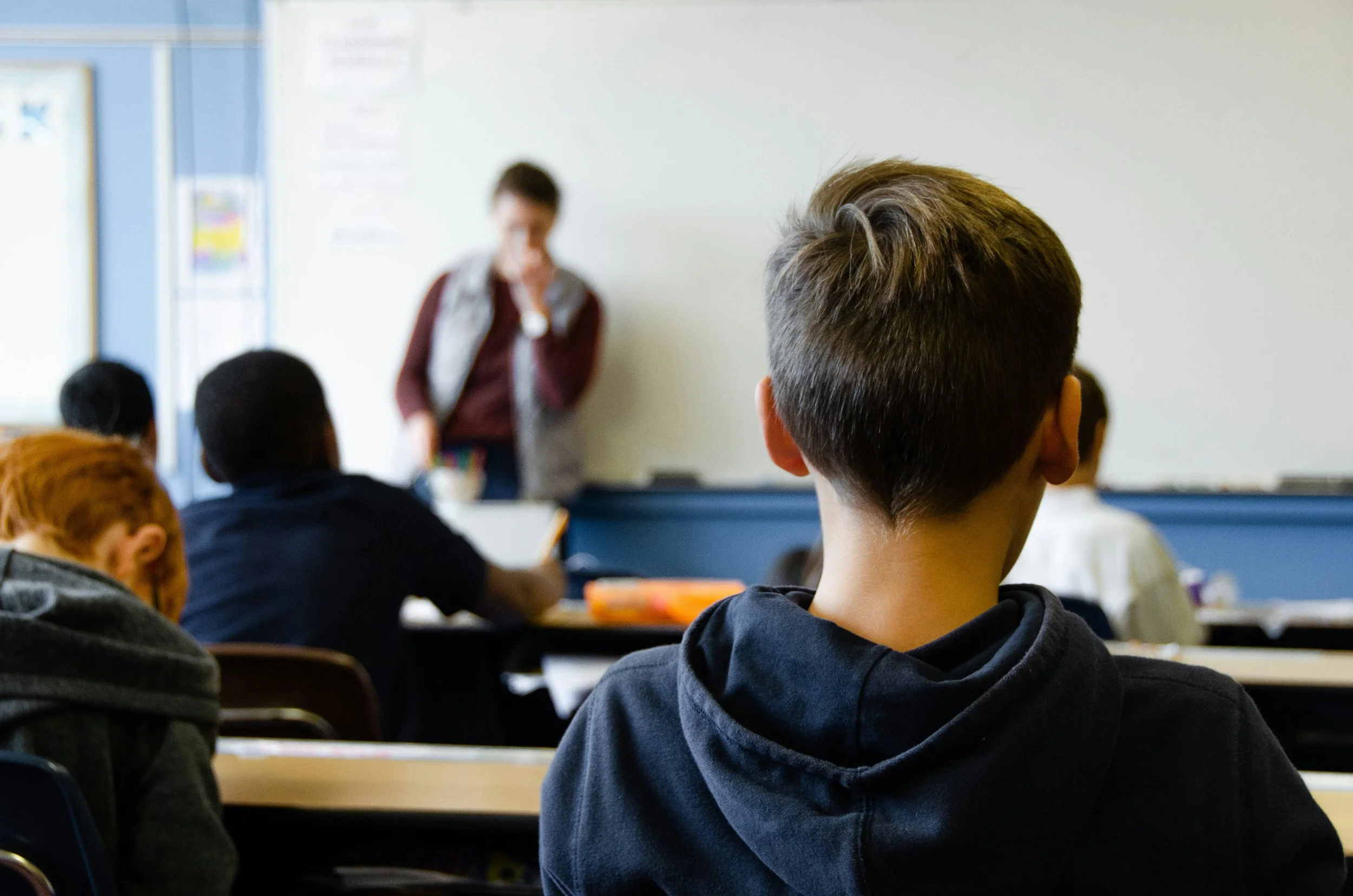
By Taylor Flowe via Unsplash
The Government are currently discussing whether children should continue to be sent home when suspended from school. The concern is that suspending students encourages further use of social media. The Government believes that sending children home on suspension can increase behavioural problems and is a hindrance to their education.
The BBC reported today that Education Secretary Bridget Phillipson is proposing the idea that non-violent children should remain on school grounds during suspension, while being removed from the classroom.
While there are many pros and cons to this approach, are internal suspensions enough to lower behavioural issues in schools?
Recently, there have been discussions regarding banning phones from school due to increased poor behaviour.
Therefore, is it time to consider introducing CCTV to classrooms?
The idea of introducing CCTV into classrooms is due to a rising concern for teacher and student safety. Safeguard Systems confirmed that the main issues schools are facing include bullying, anti-social behaviour and vandalism.
Bringing CCTV into classrooms can have a huge impact on the safety of both teachers and students. This can help with investigations regarding fights breaking out in classrooms and make it easier to pinpoint bullying in schools.
As well as being able to assist with investigations into violence and anti-social behaviour in classrooms, CCTV can also provide protection to teachers.
Having access to footage of any incidents taking place in a classroom can speed up investigations regarding complaints made about teachers. This also decreases the risks of teachers being wrongfully dismissed due to false accusations.
However, while CCTV has many benefits in classrooms, there are some potential hurdles with this solution.
BAC Security claim that some students and teachers may feel that having cameras in the classroom is an invasion of privacy.
They also highlight how costly it could be to pay for cameras in each classroom. This is particularly an issue in Scotland, as schools are currently having issues with underfunding.
BAC Security also question whether CCTV is really the solution to the problem, as while cameras can record incidents and help with investigations, this doesn’t necessarily mean prevention.
However, while there are incidents that can’t be initially prevented by CCTV, such as violence, bullying or vandalism, there are things which can. Providing CCTV footage can provide teachers with the evidence they need when an incident results in staff disciplinary action.
Having footage available can help determine whether a teacher was provoked should they verbally lash out at a student, as well as protect teachers from false accusations made by students or parents.
An issue which appears to be a common issue in classrooms is theft.
Many students experience personal items being stolen from the classroom. Therefore, it’s possible that having cameras in classrooms can help to identify and, in some cases, prevent theft.
Laura Granger, a student at City of Glasgow College, said: “I’ve had things stolen from me in classrooms before, so I’m all for cameras in classrooms.
“It depends on where the cameras are placed in the classroom, because the location of the camera can make the difference in whether it sees something being taken or not.
Naomi Smith, a student at City of Glasgow College, said: “It’s a great idea. I know lots of people who have dealt with theft in classrooms.
“Things get stolen all the time in classrooms and having cameras can really help prevent theft.”
While CCTV in classrooms may not be enough to entirely prevent anti-social behaviour, it’s clear that it’s a step in the right direction.
Having footage in class can allow both students and teachers to feel safer in school, knowing that any incidents can be investigated and resolved faster.
While this is a positive step, there is still a long way to go to eradicate anti-social behaviour in classrooms.