
Algae Blooms impacting more than fish breeding
By Archie McFadzean
The environmental issue of algal blooms in rural Scotland is having negative effects on local communities economically and causing damage to our fragile native ecosystems.
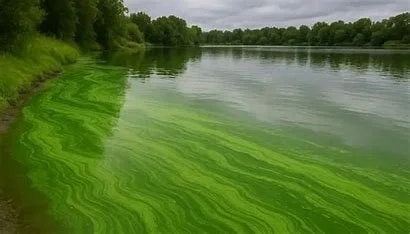
The effects are severe, not only on wildlife but also on the communities that live near the affected rivers and burns. Residents are seeing effects worsening each year. Algal blooms are large blankets of algae that cover the surface of rivers and other bodies of water; they are caused by pesticides. When these chemicals enter bodies of water, they cause pre-existing algae to grow drastically.
This raises several different questions. How are algal blooms affecting rural economic practices such as fishing? And how are they affecting Scottish wildlife?
Amy Dunlap, a Stirlingshire resident said: “There is also the concern that it is dangerous to human health, as it could get into our drinking water sources such as reservoirs and water filtration systems, which could lead to serious effects on locals' health.”
The impact on local fishing has been particularly apparent. Native species, such as wild Scottish salmon, have not reproduced as well as in previous years. The blooms lead to the food sources of the fish, such as mayflies, not being able to hatch. This is because the algae cover the surface of the water, which in turn means a lack of food for the salmon, resulting in their decline.
The consequence for local economies cannot be underestimated and has been one of the leading reasons for growing public concern. Areas of Scotland such as Wick depend a lot on fisheries to support their local economies. If the issue of algal blooms is not corrected it could lead to widespread redundancies and the closure of more Scottish industry.