
MSPs reject Assisted Dying proposals in landmark vote
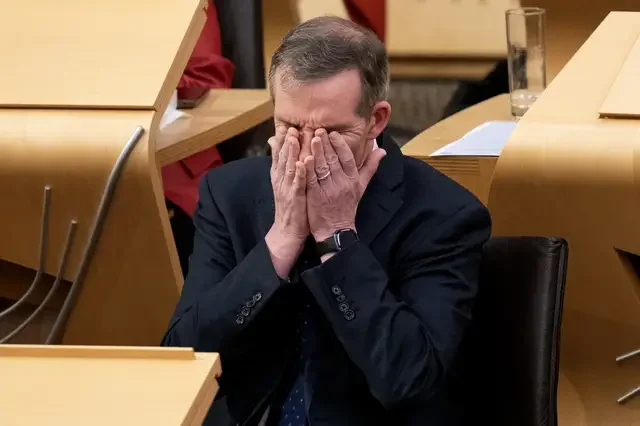
Liam McArthur, MSP
By Ryan Quinn
MSPs have voted against proposals to legalise Assisted Dying in a landmark vote at the Scottish Parliament.
MSPs were voting on stage-three of the ‘Assisted Dying for Terminally Ill Adults (Scotland) Bill,’ which if passed would have seen Scotland become the first country in the UK to legalise the practice.
Liberal Democrat MSP, Liam McArthur, who brought the bill started the debate with an emotional plea to his fellow parliamentarians.
He said: “I do not underestimate how difficult a decision this is for colleagues, even for some who are very clear about how they are going to vote and why. However, we must recognise that not passing the bill would have consequences.”
McArthur ended his remarks by quoting Lisa Flemming, an assisted dying campaigner who suffers from terminal breast cancer, who said: “I can legally choose to hasten my death by voluntarily stopping eating and drinking, literally starving myself to death.
“Doctors can already administer doses of morphine and other palliative medicines that would hasten my death as long as their motive is to alleviate my pain. Legalising assisted dying would not change my relationship to my doctor; it would allow me to be open and honest about what I want and ensure I wouldn't be forced to suffer against my wishes.”
MSPs then engaged in a near three-hour long debate on the proposed bill.
Emotions were high, as MSPs from across the chamber spoke on their reasons for supporting, or rejecting the bill. Green MSP, Lorna Slater, spoke of her late father’s assisted death in Canada and how she wished that kind of death for herself and her loved ones. While John Mason, who was expelled from the SNP last year for making controversial remarks on the Israeli-Gaza war, spoke of his religious beliefs and that he believed that it was right that God decided when we should die, not ourselves.
As the debate went on, it became clear that parliament would vote against the bill. Winding up the debate, McArthur became emotional as he spoke to the chamber.
He said: “Reflecting on the debate, it seems clear that the Parliament might well vote against the bill shortly. If that is the case, I believe that it is a decision that many in the chamber, including many who will not return to it after May, will come to regret deeply, although not as deeply or as painfully as those dying Scots and their families who desperately need us to act with courage, compassion and urgency.
“As a growing number of countries and states around the world, including Jersey and the Isle of Man, are proving, there is another way. We can and must do better. This is the time, this is the bill, and this is the change that dying Scots desperately need us to make.”
Ultimately, McArthur’s proposals were defeated 57-69 votes, with one abstention.
After leaving the chamber, he said that he was “devastated” and that he thought parliamentarians would come to regret voting against the bill.
The debate of the bill did raise awareness of issues in accessing palliative care, however. First Minister, John Swinney spoke after the debate. He said: “We must consider further what steps we can take to improve the availability of palliative care services and to make sure they meet the needs of the population.
"Although the principal of assisted dying was rejected last night, there is absolute consensus for the need for us to ensure we have effective palliative care services in place.
"That is a priority the government will take as a consequence of the debate, to make sure we give the certainty and the confidence to the people of Scotland that the effective services are available for all."