
Does anything really taste as good as skinny feels? The return of toxic 2000s beauty standards
By Claire Jordan
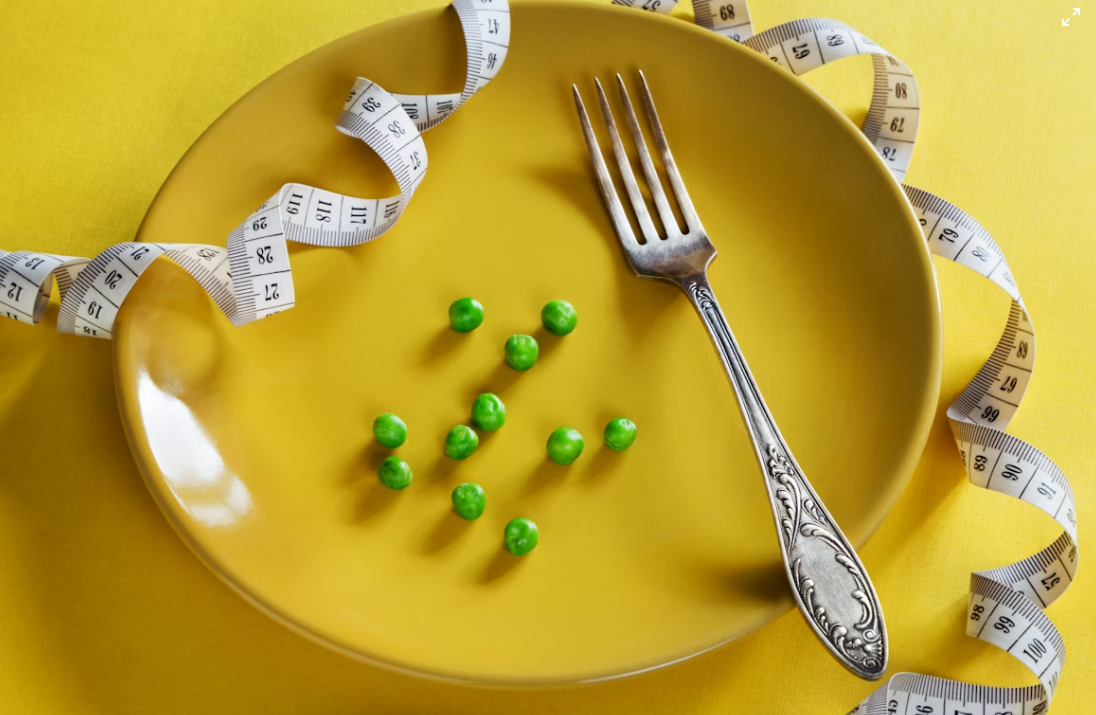
Plate with peas (Source: Unsplash)
With the release of the America’s Next Top Model (ANTM) documentary, we got major whiplash back to the early 2000s and a reminder on just how toxic and extreme things used to be.
The documentary brought to light things that were brushed off back in the day but are with a more modern lens far more sinister.
Many of these things were normalised or fully accepted back then, with extreme dieting and eating disorders causing girls to faint and struggle to function as their bodies were withering away as anyone above a size eight was blasted on a tabloid and called a “beached whale”.
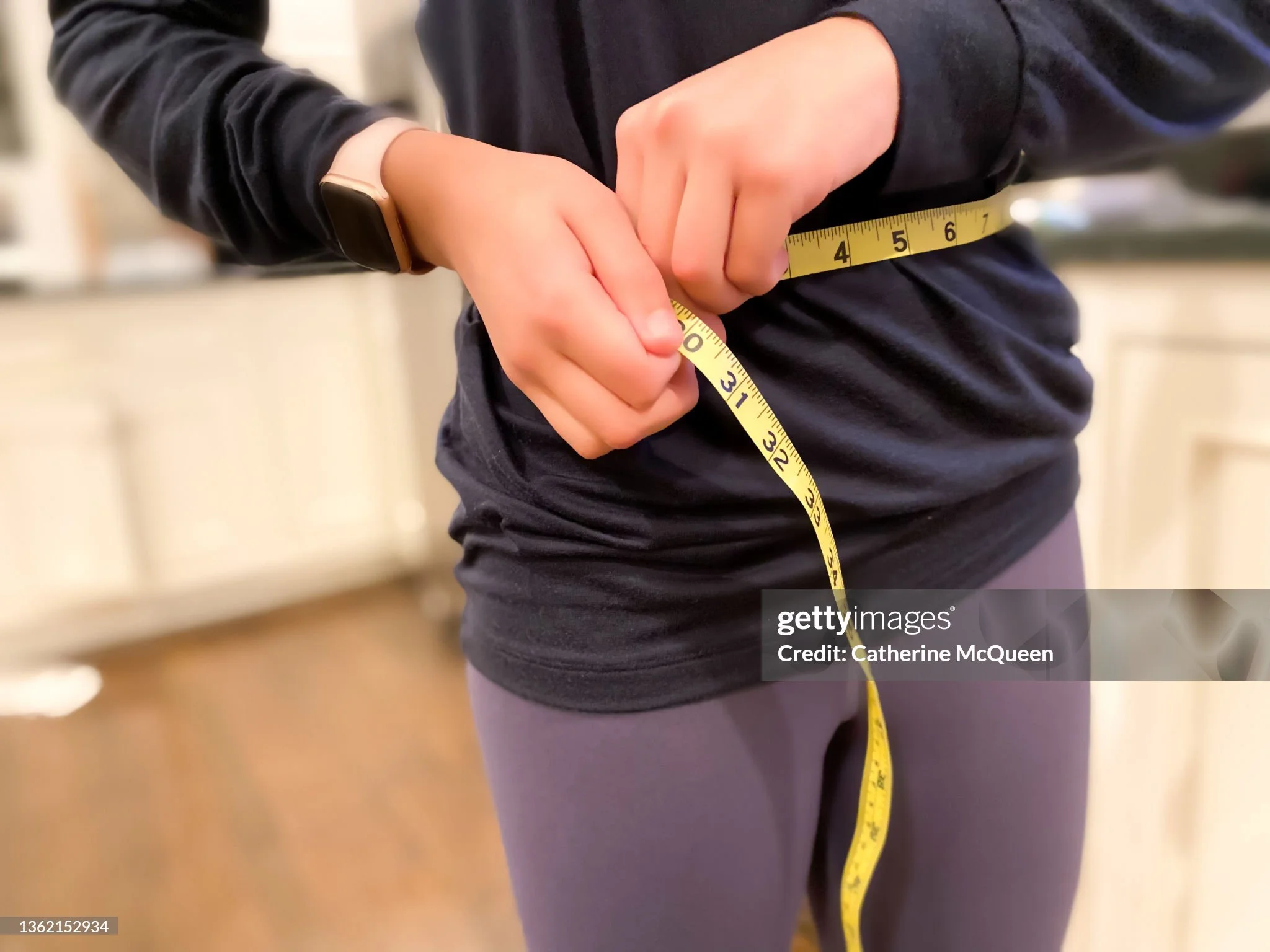
Girl measuring waist (Source: Getty Images)
Along with many more accusations such as racism with the infamous race swap challenge which included taking each contestant and using makeup, wigs, and costumes to make for example some poor white girl from Idaho who works at Walmart look like a black queen from Zimbabwe. A crazy photoshoot concept even for the early 2000s.
Along with black contestants facing harsher criticism and micro-aggressions, as well as disabled contestants reporting difficulties accessing accessibility for many challenges and queer discrimination with both the first lesbian and the first transgender contestants reporting discrimination and bullying.
However, the most consistent thing was the girl's weight. Every girl looked one missed meal away from being in a hospital bed, being measured and weighed, and one girl being recorded eating and having this footage edited in a way to make it look like she ate significantly more than she did whilst being subtly called fat the entire time.
This most definitely had a negative impact on audiences as well, seeing these young girls with bones protruding being called pudgy for having body fat considering in the 2000s every two in 1,000 girls had an eating disorder.
In 2025, there was a recorded roughly 1.2 million people in the UK with an eating disorder (ED), 75% of which were female. The number saw a significant spike during the Covid pandemic lockdowns with everyone being stuck inside and glued to their TVs.
Girl watching TV (Source: Getty Images)
Tyra Banks, the host of ANTM, even stated in the documentary that she saw a rise in viewers when lockdown struck, so it really is no surprise that so many women have eating disorders and seeing such a steady rise can only be linked to the similar political climates of now and the 2000s with the world becoming far more conservative.
Young people spending so much time on the internet and watching TV could also be to blame for the rise in ED culture making a comeback, but we just have to hope that the pendulum will eventually swing back and get another body positivity movement going because we do not need another generation of women hating their bodies because they dare to age or have cellulite.