
Losing the Playing Field: The Decline of Community Sports in Scotland
By Katie Joyce

Image by Getty Images via Unsplash
Community-based sports have been the backbone of working-class culture for decades. However, recent issues particularly regarding funding, has seen swimming pools sitting empty, leisure centres struggling to keep their doors open, and football pitches in need of repair.
Sporting facilities provide more than just somewhere to exercise. They provide people with the opportunity to socialise, develop skills and participate in activities close to home.
A report from sportscotland shows that between 2010/11 and 2023/24, the amount local Government invested in sport, culture, and leisure, decreased by at least 20%.
As operating and maintenance costs continue to increase, it makes running these facilities difficult to sustain. For residents this can mean increased costs, reduced opening times and fewer opportunities to participate in sports, with these changes disproportionately affecting those who rely on affordable local facilities and can't easily travel elsewhere.
The impact of facility closure can already be seen in Glasgow. Whitehill Swimming Pool in Dennistoun has been closed since December 2023 due to, reinforced autoclaved aerated concrete, commonly known as RAAC.
The closure was discussed in the Scottish Parliament in March 2025, when the disruption to local swimming clubs, including clubs supporting disabled people, was highlighted.
MSP Paul Sweeney asked whether the Commonwealth Games could help save Whitehall, but the response was that Games funding was restricted to event venues. This case raises questions about the long-term investment needed to maintain ageing public facilities.
The issue also extends beyond Glasgow. In East Ayrshire, Auchinleck Leisure Centre's swimming pool and games hall were closed in 2024 due to concerns about the buildings condition, which included roof damage and water ingress. The council committed approximately £1.4 million towards improvements to sporting facilities at nearby Merlin Park as an alternative.
Despite these challenges, investment in community sport does continue. In September 2026, sportscotland announced an additional £5 million in National Lottery funding for sports facilities over two years. This will double its Sport Facilities Fund to £10 million for that period.
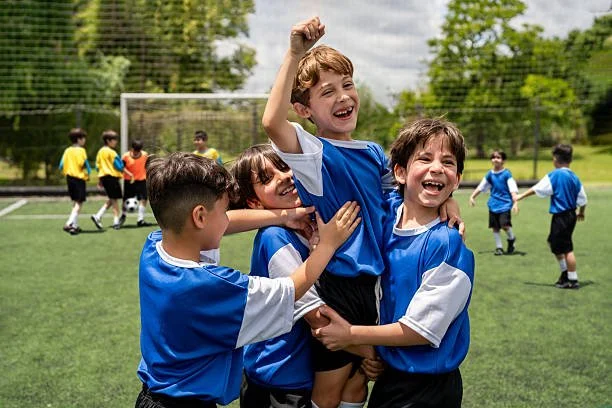
Local grassroots team celebrate, via Getty Images
This investment will support improvements to sporting infrastructure, including pitches and club facilities. However, new funding does not automatically resolve the costs of maintaining existing buildings or ensure that every community has affordable access to sport.
Audit Scotland warned that reductions in leisure services will risk worsening inequality, particularly in deprived and rural communities.
Jo Armstrong, Chair of the Accounts Commission, said: "Culture and leisure services are vital to our health and wellbeing, supporting national and local priorities and supporting people to be better connected."
The future of community sport depends on more than building new facilities. Existing venues must also be maintained, and the cost of participation must remain manageable.
Scotland's sporting success should not be measured solely through professional teams, and elite athletes. It should also be measured by whether people can access a local swimming pool, join a football club or discover a new sport.