
From ancient rituals to trick-or-treating
By Abbey McIlear
Image by Pexels
To mark the beginning of winter, the Celts of ancient Ireland celebrated Samhain. The festival believed to be held on 1st November, this is when livestock would be removed from the pastures and land renewed for the perceived start of the new year.
With the mundane also came the supernatural. It is believed that on Samhain, the veil between the living and dead disappeared; allowing spirits to walk among the living and for all who had died that year, to pass to the spirit world.
Communities would hold bonfires to feast and share stories through the long winters’ nights, ward off dangerous animals and to cook.
Spiritually, it also symbolised transformation, purification and life force. A bridge between worlds, it could ward off harmful spirits by cleansing negativity whilst also inviting loved ones back to their homes.
What really familiarises Samhain to modern Halloween, is the Celts would often wear masks to disguise themselves from foes coming from the otherworld.
They believed not only ghosts walked among them, but witches, hobgoblins, fairies and demons. All of which could pose as a threat to life.
The practice of divination - determining the hidden significance or cause of events, sometimes foretelling the future, by various natural, psychological, and other techniques - is used to discuss matters such as marriage, health, death and new life, to discover what the new year holds.
When the Romans conquered Britain in the first century, some texts claim they brought their own festival, Feralia.
The last day of the nine-day festival Parentalia is held between 13th-21st February, also commemorating the spirits of the dead.
They would perform rituals around the Goddess Poloma, who is the symbol of fruit trees and orchards. This would entail visiting burials, family tombs, leaving burning candles and offerings for the dead to honour them.
The root of Halloween also traces back to All Saints Day. The Christian holiday is held to commemorate the lost Christian souls who have been recalled to heaven.
Pope Boniface IV proclaimed 13th May as its date but Pope Gregory III changed this to fall on 1st November, it has remained that date ever since.
It is suggested that this was likely done to weaken the Pagan festival and replace it with the Christian holiday.
This transition - blending festivals and holidays - is what gave the 31st of October the name "All Hallows' Eve".
This then evolved to the current Halloween we know today, where some traditions have been kept alive and spun for the delight of children to exploit adults for free sweets.
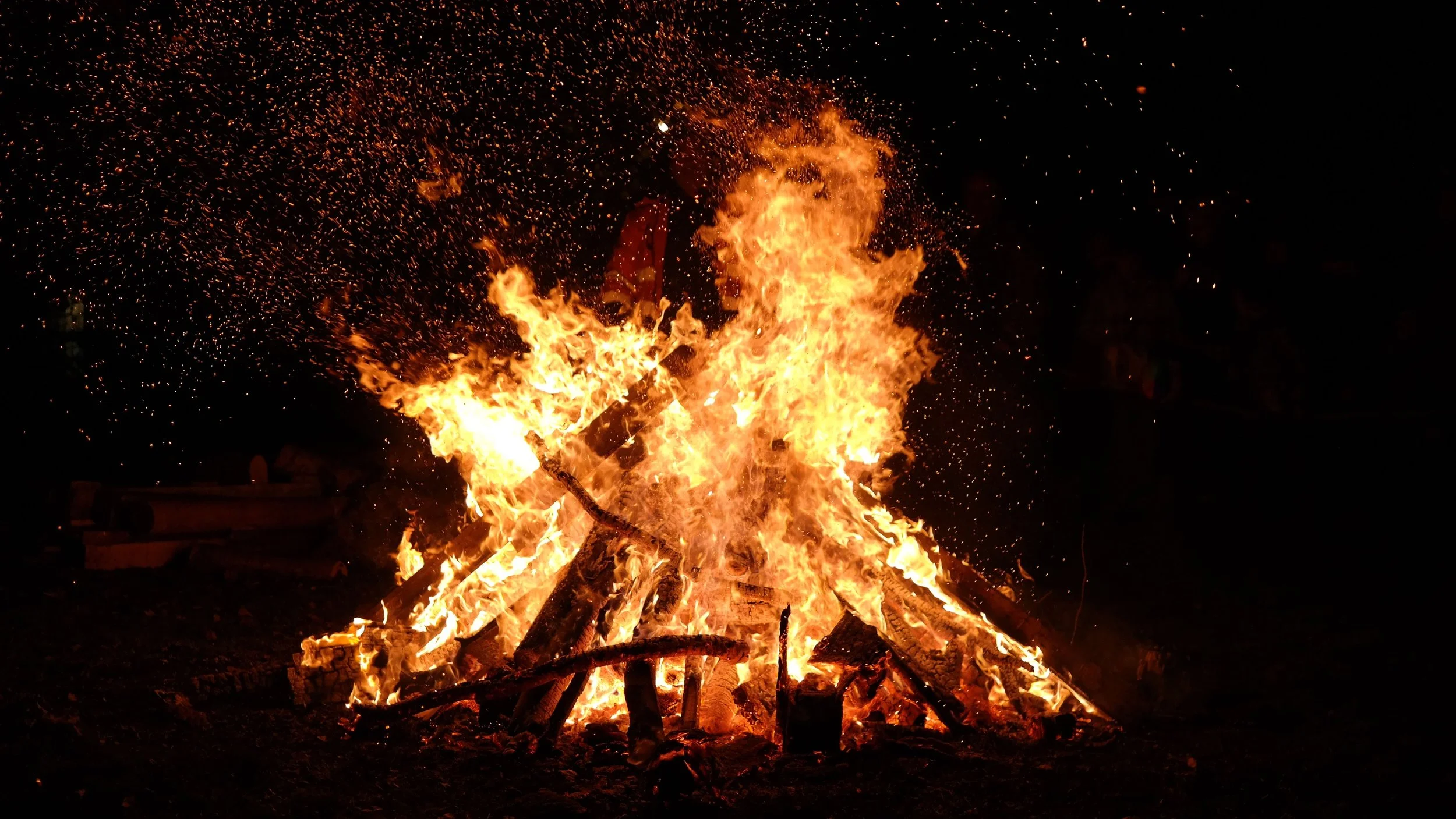
Image by Pexels