
NHS Ambulances taking too long
Sophie Kerr

Image by Ian Taylor via Unsplash
An elderly woman was crying out in pain after a fall in my place of work, with an ambulance taking over five hours to come help.
Local hospitals are now extending wait times to over fifteen hours for A&E. Patients are now being exposed to more health risks as people aren’t being assisted with their medical needs in enough time.
Hospital wait times are a growing problem as the NHS are in high demand while having a shortage in staff, medical equipment and other issues within the healthcare system. These issues affect all those who are seeking immediate medical attention as the increased pressure put onto healthcare workers to support those while not having enough equipment.
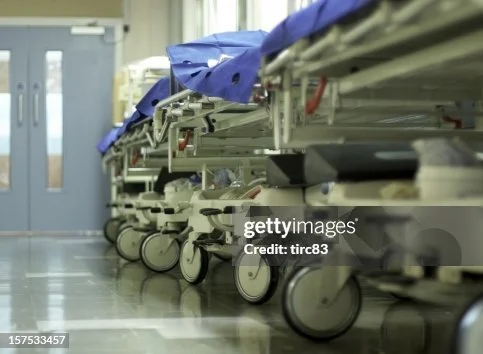
Limited beds in hospitals.
Supply problems within the NHS result in excessive waiting times and increase in health risks, especially those older who have more health problems. There is also a growing issue with bed shortages as there have been cuts, yet the population has risen. This is preventing people being admitted leading to more health complaints as doctors aren’t being able to give people the proper care they need.
An incident happened recently were a young father waited 15 hours on an ambulance and A&E resulting in his tragic death days before Christmas. Dylan Jones was taken to Edinburgh Royal Infirmary where he waited 13 hours for an MRI scan to find he was internally bleeding. It was too late after staff tried to stabilise him, Dylan was in critical condition and tragically died. Dylans family believe that if the ambulance and A&E staff were able to respond quicker, Dylan would still be alive. This also happened to another patient where they were left in an ambulance outside a hospital in the UK for 17 hours before being treated.
NHS struggles to meet the demands of medical emergency.
Currently the NHS is suffering from a delay of discharge as some patients are medically ready to leave, yet due to pressures outside of hospital like medical housing arrangements not being in place. Due of underfunding and social care shortages those who don’t need to be in hospital are staying in beds that are needed by patients still needing urgent medical care. This is putting pressure on healthcare workers and A&E wards as they are unable to do anything due to the decline of beds.
In 2025 Met Police states that they received over two million 999 calls over the year yet only 15% of them where for real emergencies needing immediate assistance. Multiple people are phoning 999 for nonemergency’s taking up operators' time instead of being able to aid real emergencies. Due to the high volume of calls those in desperate need of help are not being given the time and resources needed to potentially save their life causing ambulances not making it in time.