
Neil Young, Tonight's the Night - 50 years later
By Dylan Johnston
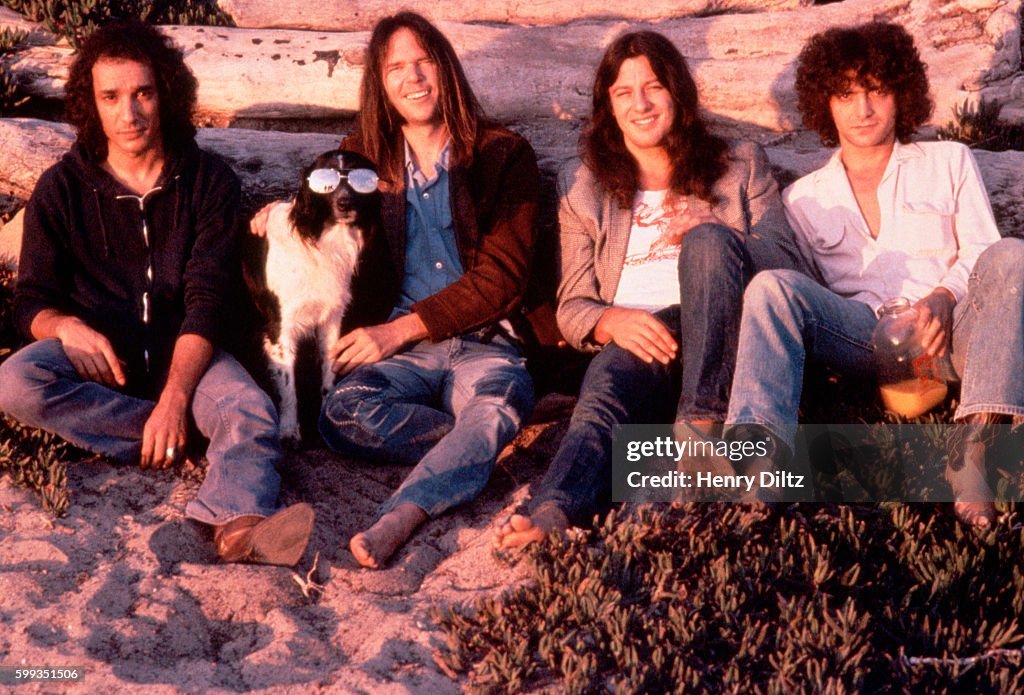
Neil Young and Crazy Horse: GettyImages
Neil Young’s Tonight’s the Night was re-released in a special 50th anniversary edition on the 28th of November. He has garnered the reputation of a quintessential hippie. However, those who take a closer look at Young’s output over the years will quickly discover that he’s much more than that.
His first album alongside longtime collaborators Crazy Horse, Everybody Knows this is Nowhere, did feature beautiful, delicate folk tunes such as Round and Round (It Won’t Be Long). However, it also featured walls of distorted guitars on songs such as Cinnamon Girl and Down by the River seldom heard on an album in the folk genre, especially in 1969.
Young would continue to balance these two modalities throughout the 1970s, culminating in Rust Never Sleeps, which some modern critics have called the “first grunge album”. Before the most sonically raw of Young’s albums came one that was more emotionally intense than the rest of his discography.
Tonight’s the Night was recorded in 1973 following the deaths of Crazy Horse guitarist Danny Whitten and Young’s roadie Bruce Berry. Both men died from drug overdose. Young and members of Crazy Horse took to S.I.R Studios to pay tribute to their late friends, resulting in a collection of tracks that address the dangers of addiction head on. It doesn’t try to lecture the listener on its subject matter, rather relying on the overwhelming emotions brought about by the two tragedies.
Young pays respects to Berry on the opening title track, Tonight’s the Night. He sings a straightforward retelling of Berry’s life and eventual descent into heroin addiction backed by a simple blues accompaniment. The lyrics are elevated from melancholic to distraught by Youngs vocal performance, his typically gentle voice sounding fragile, almost panicked as he recounts his friend's biography.
Where Young sounded on edge on Tonight’s the Night, his take on Mellow my Mind falls into despair over the course of the song. The instrumentation is a subtle folk-rock base led by the beautiful pedal steel of session player Ben Keith. Its lyrics attempt to dive into the mind of an addict, maybe an attempt to understand the thing that had taken Whitten and Berry.
The album’s direct tribute to Whitten comes during Come on Baby Let’s Go Downtown, a song he wrote, and which features archive vocals from Whitten himself harmonizing with Young’s. It’s a classic Crazy Horse jam given macabre significance by hearing Whitten sing lyrics he wrote about scoring heroin.
Tonight's the Night was shelved for two years, eventually being released in June of 1975 to critical acclaim and commercial success. The re-release is certainly worth the purchase. Tonight’s the Night has lost none of its power in 50 years.
****½