
From 10 Days to 38: How Far Have Pig Liver Transplants Come?
By Abby Paterson
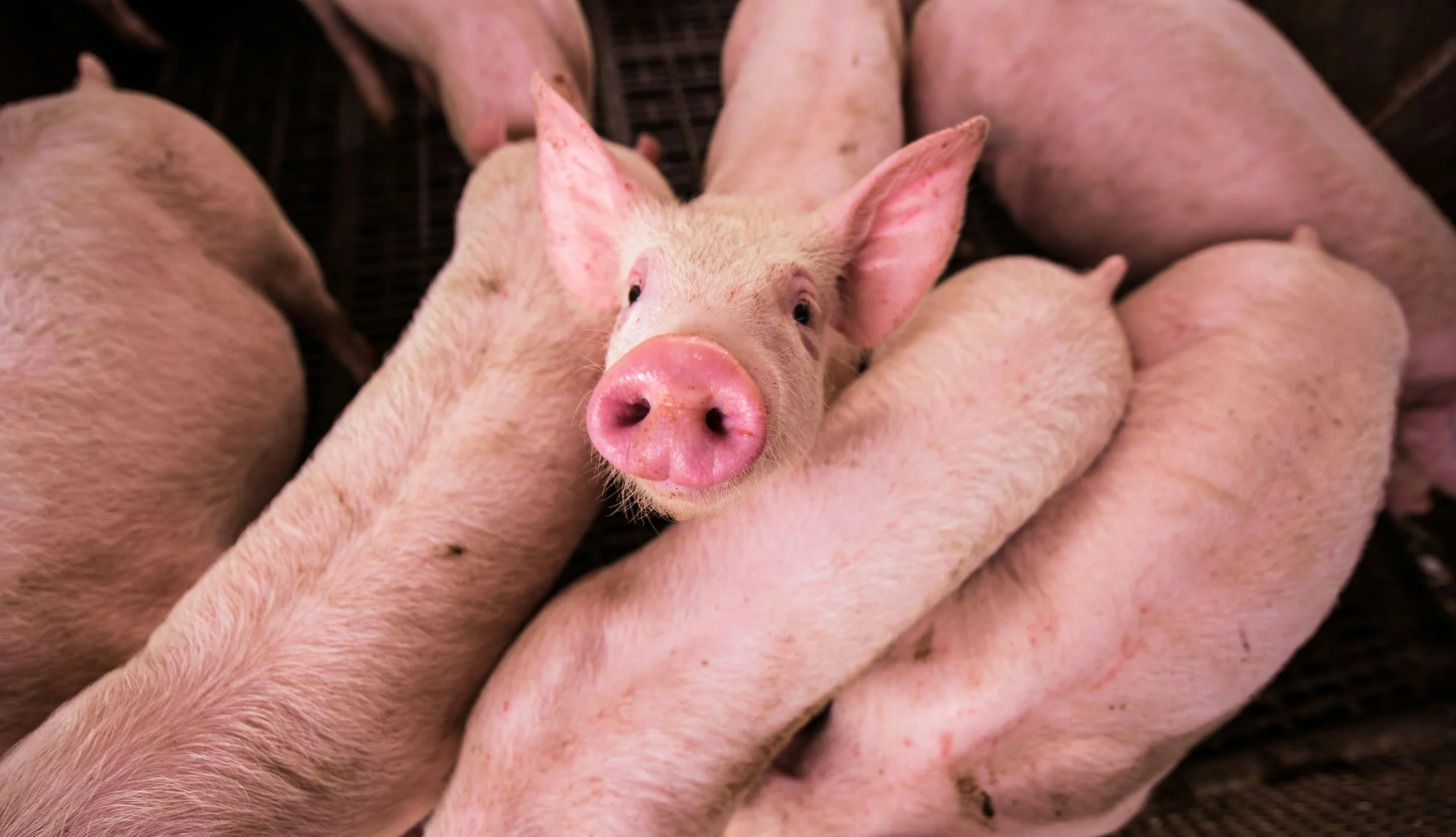
Photo by Diego San on Unsplash
In May 2026, researchers in China pushed pig organ transplantation into new territory when a brain-dead recipient received two genetically modified pig kidneys and a pig liver at the same time. The organs functioned successfully, making it the first multi-organ pig-to-human transplant ever performed. Although carried out as a research procedure, the breakthrough showed just how quickly xenotransplantation is advancing.
What started as a 10-day experiment in a brain-dead patient has now gone further. Researchers have since managed to keep a genetically modified pig liver functioning in a living human for around 38 days, the longest confirmed period recorded so far. It is still far from becoming a routine treatment, but the field has moved faster than many expected.
The biggest challenge remains keeping the organ working long enough. Scientists have made progress in reducing rejection and controlling clotting problems, but neither issue has been solved. For now, pig livers are still being used as temporary support rather than permanent replacements.
Just two years ago, researchers were still trying to prove that a pig liver could function inside a human body at all. Now the question has changed. The organ can work. The challenge is making it last.
The story began in 2024 when researchers in China carried out the first major pig liver transplant experiments in brain-dead human recipients.
The first ever pig-to-human liver operation was carried out in China, where scientists used a genetically modified pig liver to minimise the chances of the liver being rejected by the human's immune system.
The recipient of the transplant was brain dead but maintained on life support for the operation. The individual received the liver, and the organ proved to be functioning successfully, as it produced bile, essential proteins and maintained stable blood flow.
The liver was monitored by scientists over 10 days where scientists further observed the organ’s function. Researchers say that it could’ve functioned for longer, but relatives of the recipient requested for the experiment to be stopped after 10 days.
Researchers have belief that the liver could be used for future treatments on patients with liver failure that are waiting on human donors. Scientists across Europe have praised this experiment and called it a significant milestone that could save lives in the future.
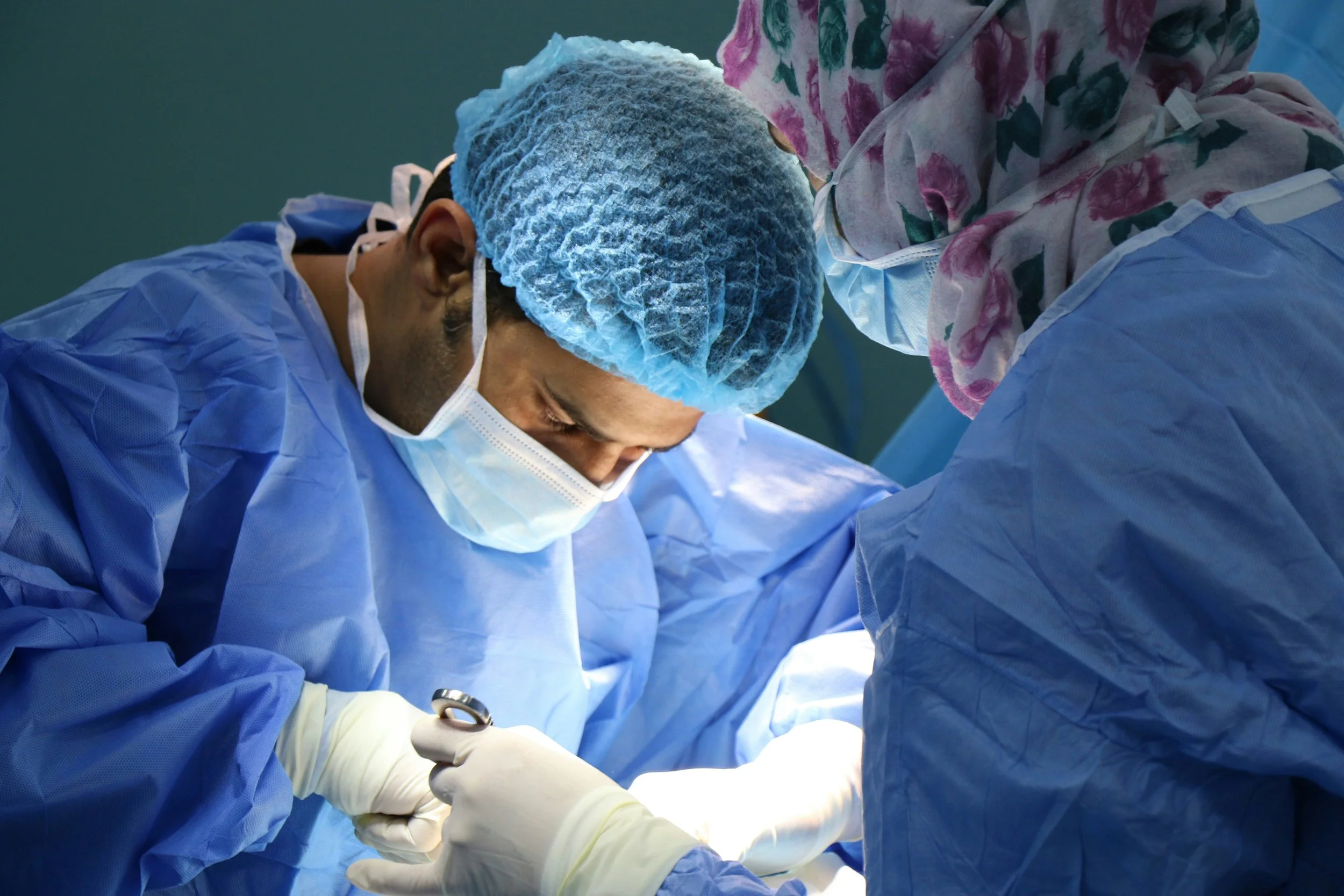
Photo by Jafar Ahmed on Unsplash
The surgical team in Xijing Hospital in Xi'an used the liver from miniature pig Bama, which had six key genes modified to increase compatibility of the organ, before being transplanted into the human recipient.
Pigs are suitable candidates for human organ transplants as their organs are a similar size and structure to humans making them more compatible to the human anatomy and less likely to be rejected by the recipient’s immune system. Key genes still need to be genetically modified to reduce the risk of the individual’s immune system attacking the organ after the transplantation.
China’s pig liver transplant wasn’t the first time pigs have been used in experimental surgery; genetically modified pig hearts have already been used in transplantation.
In January 2022, an American man became the world’s first recipient of a genetically modified pig’s heart. David Bennet, 57, who had terminal heart disease was doing well three days after his heart surgery. Doctors at the University of Maryland Medical Centre were grated special dispensation by the US medical regulator to carry out the procedure due to Bennet’s terminal heart condition. He had been deemed ineligible for a human heart transplant by doctors, a decision often made when doctors believe the patient is to poorly for the procedure to be done successfully. After the transplant doctors said there were no signs of rejection and the heart was performed well, but they warned David Bennet was still frail. In March 2022 just two months after surgery Bennet died. The hospital stated his condition deteriorated over seven days but the reason for his deterioration were inconclusive.
The Chinese researchers aim to use pig organs transplants as a temporary support for patients with liver failure. The Research teams are planning to repeat the experiment in more brain-dead patients, for longer periods before progressing into living human clinical trials.