
Second independence referendum passes first hurdle in Holyrood
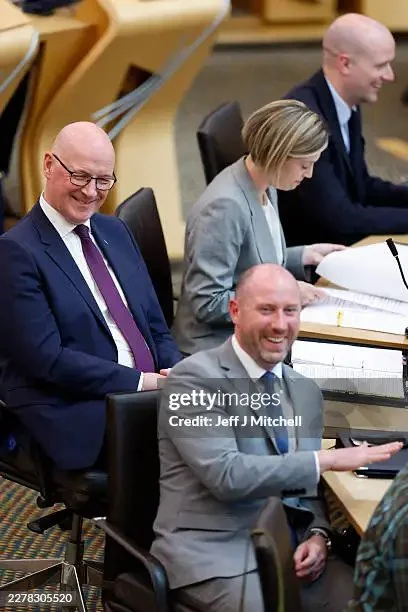
By Iain McLean
The Scottish National Party, backed by the Greens, renewed the Scottish independence fight on Tuesday during the “Ambitious for Scotland” parliamentary session.
The government debate, which began at 2pm and ran until 5pm, allowed each party to present their own amendments on what the priority of the new session of parliament should focus on delivering for the people of Scotland.
The SNP amendment called on the UK Government to make a Section 30 order under the Scotland Act 1998 to devolve the powers to the Scottish Parliament to hold a referendum on Scottish independence following the last election, which saw the largest number of pro-independence MSPs elected to Holyrood.
The only party to support the amendment outside the SNP was the Scottish Greens, who also received support from the SNP in their amendment, which called for a referendum and added that the Scottish Government should be more “effective” with the use of existing devolved powers.
Both amendments won with 72 votes out of 129.
This was a predicted win, evident by Number 10 responding within minutes of the vote results being announced by Presiding Officer, Kenneth Gibson.
A Downing Street spokesperson said: “People need and want their governments focused on the issues that really matter – economic growth, the cost of living, and public services. Our focus must be on delivery, not division.”
The only party to abstain from presenting an amendment was Reform, with Lord Malcolm Offord trying to justify this after being pressed by Conservative Craig Hoy.
“The answer to that question, Mr Hoy, is that we don’t believe we should be debating this matter,” Lord Offord responded, “The constitution is a reserved matter to Westminster.”
Despite this stance, the only amendments they abstained from were those of Scottish Labour and the Liberal Democrats.
The next step of this new referendum push is the Section 30 order. This order must be requested by First Minister John Swinney from UK Prime Minister Sir Keir Starmer. In the slim chance that an agreement is reached, a temporary transfer of power will take place which will result in the Scottish government having the power to produce a referendum, then be processed through Holyrood and scrutinised by committees and debates before being presented to the public to decide.