
The Future of Jazz for Young Scots
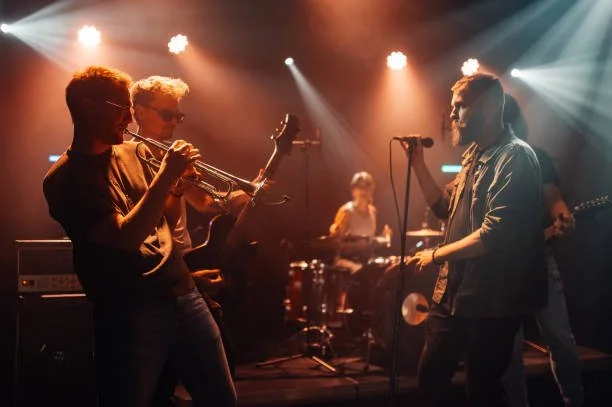
Jazz musicians in session
By Katie Clayton
The Jazz scene in Scotland could be facing trouble as fewer young people attend events. In Aberdeen, popular venues such as ‘The Blue Lamp’ have already had to close their doors. Open since 1949, ‘The Blue Lamp’ closed in December last year. The question is, how are we going to be able to save the jazz scene in Scotland?
Scotland has jazz festivals across the country, from Aberdeen to Glasgow that bring in international artists, such as David Helbock, Julia Hofer, and Matt Holborn. While some venues may be suffering, the jazz scene in Scotland is still here and fighting. In Glasgow, there are several popular jazz venues including, ‘The Blue Dog’ and ‘The Howlin’ Wolf’ and during the Edinburgh fringe many venues have jazz concerts and events.
Tom MacNiven, a member of the Scottish National Jazz Orchestra, discussed getting young people more involved in the jazz music scene. He said: “The average age of people attending them [Jazz events] would probably be mid 30.”
Tom began playing music with the Boy’s Brigade when he was eight years old. He attended music school throughout his teens and was drawn to jazz music in his later teens despite his classical background. Not only is he a member of the Scottish National Jazz Orchestra but he is also a tutor for jazz trumpet at the Royal Conservatoire.
He explained the different ways young people are currently being encouraged to get involved in the jazz scene: “We [The Scottish Jazz Orchestra] have a youth band, it’s for young people up to the age of 25. I think we’re going to hopefully get a training youth band together as well, so that perhaps less experienced people can get involved without it being too hard for them.”
‘Now’s The Time’ is a new sector development project set up for Scottish jazz. It was formed to address the challenges the genre faces and how to make use of its strengths, taking inspiration from times when the jazz community has come together to share experiences and ideas. It stays informed from research carried out by Edinburgh Napier University, working more from an analytical sense. Other organisations in the UK such as National Youth Jazz Orchestra (NYJO) are also working to help the future of jazz. NYJO aim to encourage young people to play jazz music, beginning as a single orchestra to a whole organisation that works to inspire young people from all over.
Younger jazz musicians are creating a comeback for jazz by blending its classic elements with more modern styles. Tom also spoke about this new interpretation of Jazz and how it can affect the music. He said: “Currently, the methods that people are using to try and get younger people into jazz aren’t necessarily great for the music. The question is do you make your music accessible to everyone by making it funky and pop based or do you make your art less accessible to less people but more in keeping with your artistic vision?”
Tom discussed how the repercussions of this new style of jazz could affect the whole genre: “We won’t see for another 10 years or so what the cross-pollination has done to the music. Throughout the whole history of jazz, it’s taken on other fusions with other styles from music. So, I’m not saying it in a wholly negative way but it’s just of hard to tell at the moment.”
Throughout the 1900s jazz did evolve through numerous different styles of music, including swing, soul and funk. So, this new evolution could be beneficial to encourage more young people to get involved as it did throughout the 20th century.
Leo Brannan, a 17-year-old who listens to jazz music, said: “I like more newer, contemporary stuff. I’m more into experimental stuff, like fusion and stuff like that.”
He explained how it’s harder to attend jazz events: “You need to be 18 to go into jazz bars. I’ve been to one serious jazz event and there wasn’t many teenagers my age there, mostly 30-40 year olds and older.”
Young people in general are also going out less; due to financial pressures many young people have found that they can’t afford live events. Nearly 70% of young people claim that the current economic climate has reduced their participation in nighttime activities and 61% stated that they were going out less often than previous years.
Leo compared the Scottish jazz scene to other places in the UK: “Because I'm in Glasgow, you have to be in the right places, whereas places such as London, they have a much better jazz scene.”
One of the best ways to get more young people involved is simply exposure to jazz music. Many young people just haven’t listened to it, instead choosing to listen to more mainstream music styles like pop or rock.
The increasing use of jazz in movies and tv shows, such as La La Land and Soul, is helping to introduce younger audiences to the genre. Alongside the emerging artists who are blending the traditional aspects of jazz music with modern influences and recontextualising jazz in the 21st century, this is helping to hook modern audiences.
Leo described the music as: “A different way of expressing yourself artistically and emotionally.” Jazz music could appeal more to young people if they were more exposed to it, even if it’s just playing in the background.
By encouraging young people to play and/or listen to jazz music, we’re helping to ensure the future of the jazz scene in Scotland and the United Kingdom. We are also helping to expose young people to a whole new genre of music, based around creativity and community that could benefit everyone.