
Overwatch: The Rise, Fall and Rise Again
By Iain McLean
In 2016 Blizzard changed the game for hero shooters with the release of Overwatch. So much so that it became an instant success.
It touted multiple awards, high scores in reviews and captivated a record ten million players, just in its early access alone.
Many companies and publishers tried to out-shoot Overwatch but nearly every single one of the games competitors died without seeing a fraction of the success Blizzard had gained.
Nobody thought anything could derail the hero shooter as it survived year after year, with new maps, modes and its ever-increasing roster, with the video reveals alone landing millions of views in the space of 24 hours.
They continued to ride this success and repeat the same model until 2018, when they released the hero “Brigitte”.
Overwatch matches up to this point were fast paced ‘dive’ – a fast-paced team strategy where one team would agree and single out a character together before moving on to the rest – compositions that kept the game play tense and incredibly tactical mode of attack, as one slip up or miscommunication could see the match fall apart.
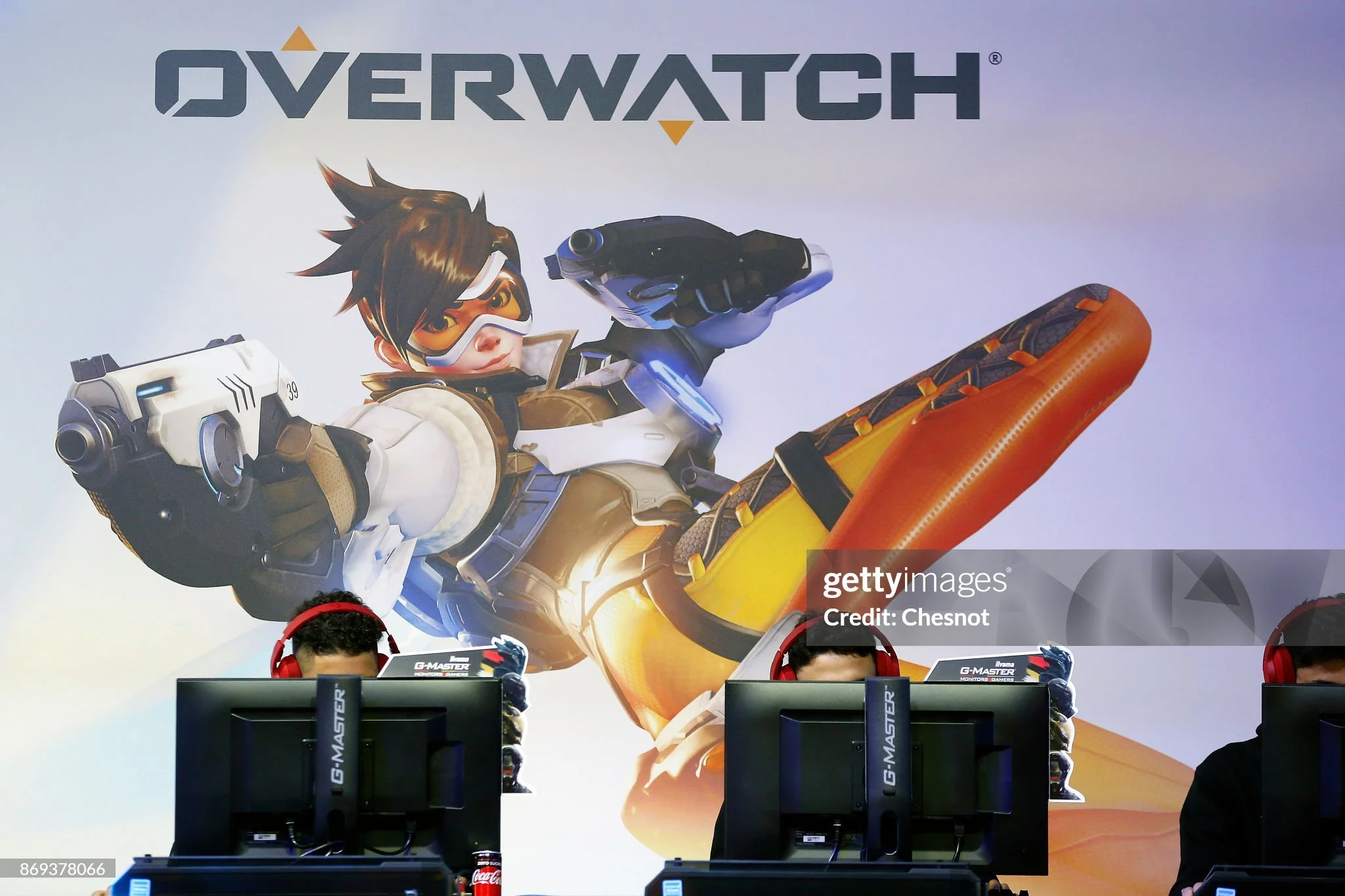
The issue with Brigitte was her kit – the abilities each character has – as it was deliberately designed to slow down matches, which would ultimately kill off the dive strategy, which manifested in fatigue for many of its players and over time, they slowly left the game.
Blizzard continued its downward spiral as it was hit by a sexual harassment scandal in 2021.
The alleged claims were that Jesse McCree, a lead level designer for the company, had send sexually charged and inappropriate messages regarding a “Cosby Suite” in the building which led to even more widespread claims of sexual harassment, a “frat boy culture” and gender discrimination.
This resulted in multiple staff walking out and Jesse McCree removed from his position at the company.
A character in the game, who was named after Jesse McCree, consequentially had his name changed to ‘Cassidy’ to further separate the company from McCree.
This resulted in a content drought and Overwatch made the announcement that their long promised PvE mode would no longer be going forward.
This is something that was promised upon the release of Overwatch 2 in 2022 and something players were sat on the edge of their gaming chairs waiting for, but with this announcement many saw it as the final nail in the coffin and hundreds of thousands of players left the game in droves.
Blizzard tried it’s best to recover from all the scandals and broken promises, but at this point there was nothing they could do to bring players back.
This when Chinese company, NetEase, announced what would be seen as the final knockout to Overwatch… Marvel Rivals.
Marvel Rivals took the same formula as Overwatch but launched with the same number of heroes Overwatch had after years of release and a behemoth of brand recognition behind it and decade’s worth of comic lore to dive into.
They partnered with Marvel Comics to bring iconic characters like Magneto, Wolverine, Black Panther, Black Widow among the line-up, alongside outfits from the most popular comic stories and even the MCU films.
Marvel Rivals continued to reign supreme with it outshining Overwatch on Twitch, Steams player count and social media until something unexpected happened…
Overwatch came out announcing five new heroes releasing immediately with more on the way and launched a brand-new seasonal story which revolved around the in-game Overwatch team and their enemies, Talon.
This was enhanced by letting players choose who they’d back with specific and unique rewards for each organisation.
This saw the scales tip, practically overnight, as Overwatch regained a large chunk of its player base and the views on the Overwatch category on Twitch drew more than Marvel Rivals for the first time since 2024.
This continues to be the trend as it sounds like the developers are finally listening increasingly to what the player base is demanding and looking for, with their social media presence increasing and interacting with their fanbase.
The immediate drop of five new heroes, which are all incredibly fun and unique, that are balanced and enhance any team composition was a massive gamble for Blizzard, but it’s clearly paid off.
As of right now Overwatch’s player count sits at double that of Marvel Rivals on Steam and viewers currently tuned in to Overwatch content is also more than double, with only seven thousand people watching Marvel Rivals while Overwatch is drawing 17 thousand.
This is an unprecedented comeback for a company and a game that many thought would never recover from the scandals and broken promises but we are now back once again in an ‘Overwatch age’ with returning players having more characters to try out, more modes to play and maps they’d never played before.
All that remains to be seen is if Overwatch can capitalise and move forward with this momentum, the type that they’ve not seen in years, and avoid any pitfalls that previously cost them their number 1 hero shooter title.
Overwatch is available to play on PlayStation, Xbox and PC.
So, what are you waiting for? The cavalries here and it’s time to return to the game and experience peak Overwatch like it’s 2016 again.