
Snow, Sport, and Security – Italy Welcomes the World for the 2026 Olympics
By Rachel Brown
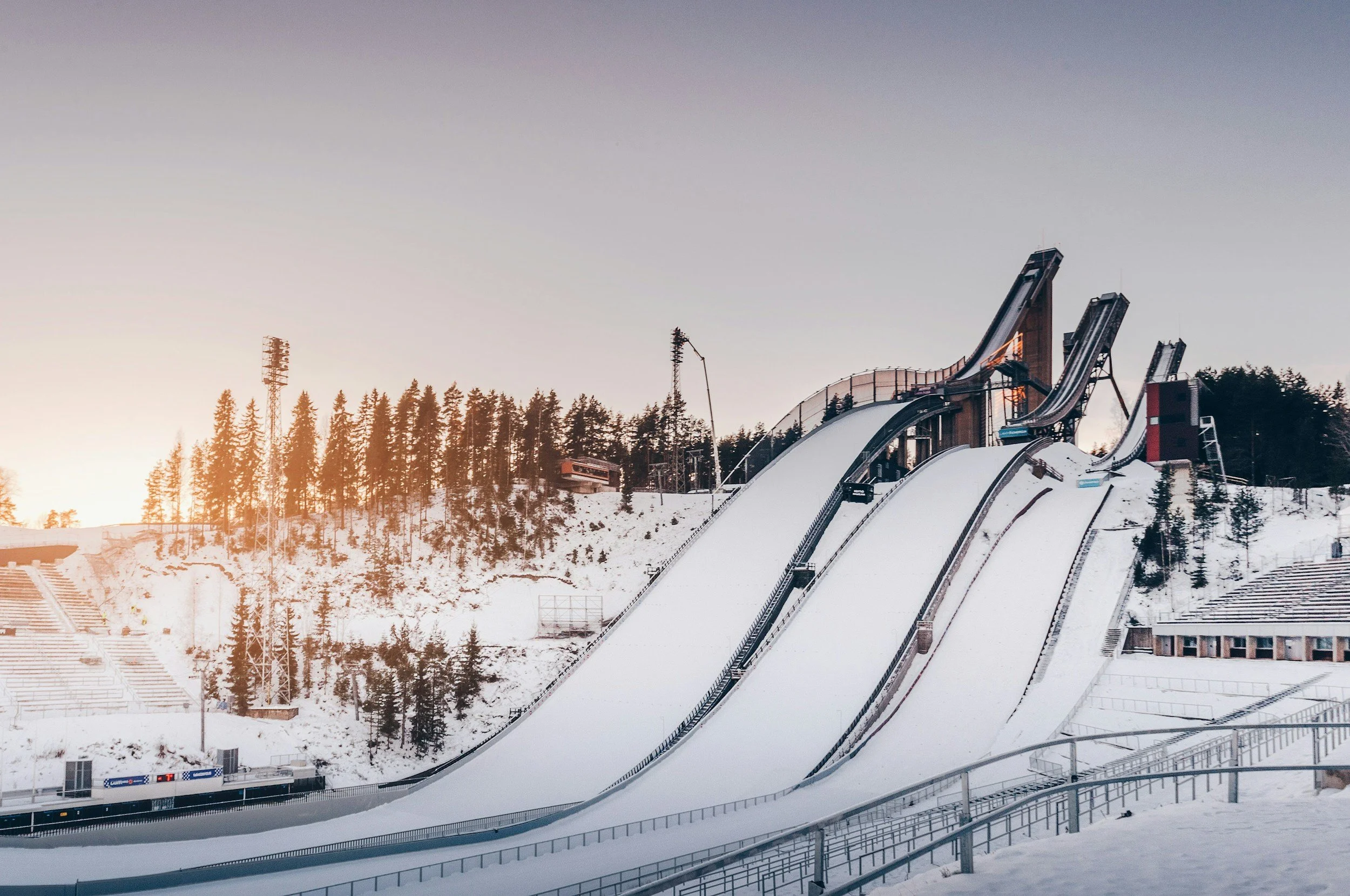
Image by @hertwashere via Unsplash
The 2026 Winter Olympics are officially underway in Italy. Athletes from around the world are arriving in Milan and the mountain resort of Cortina d’Ampezzo for one of the biggest sporting events of the year.
The Games, which run over the next few weeks, bring together thousands of competitors. The winter sports events that will be undertaken include alpine skiing, snowboarding, speed skating, ice hockey, and figure skating. Early events have already attracted huge global audiences, as fans tune in to see which nations will dominate the medal table.
Unlike previous Winter Olympics hosted in a single city, the Milan-Cortina Games are spread across several locations in northern Italy. Events are taking place in modern venues in Milan as well as traditional alpine settings in Cortina d’Ampezzo and surrounding areas. Organisers say the split-host approach allows the Games to use existing facilities, cutting down on costs and environmental damage.
Sustainability has been a major talking point in the lead up to the Olympics. With climate change increasingly affecting winter sports, the International Olympic Committee has faced criticism over the long-term impact of hosting the Games. In response, organisers have stressed efforts to reduce carbon emissions and avoid building unnecessary new venues.
Artificial snow has become a key part of the Milan-Cortina Winter Olympics, particularly in the Dolomites, where warming winters have made natural snowfall less reliable. The Dolomites, a UNESCO World Heritage site known for their dramatic limestone peaks, are hosting several outdoor events. Organisers have had to rely on snow-making machines to guarantee competition-ready conditions.
While officials argue artificial snow is necessary to keep events running on schedule, environmental groups have raised concerns about the amount of water and energy being used during production. The issue has added to wider debates about climate change and whether traditional winter sports can continue in their natural setting as global temperatures rise.
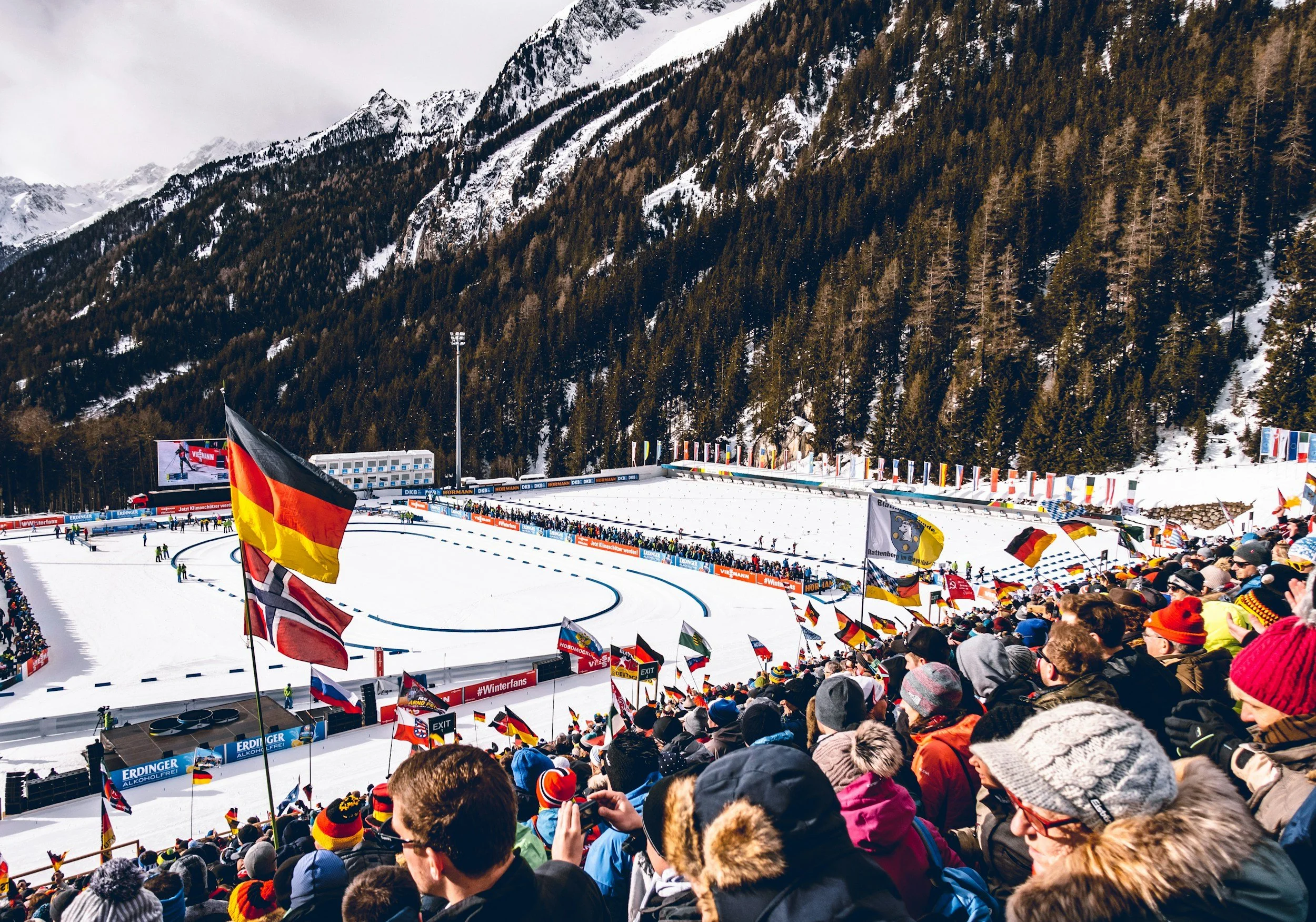
Image by @k_d via Unsplash
This year’s Olympics also include changes aimed at modernising the event. Ski mountaineering is making its Olympic debut, adding a fast-paced and physically demanding sport to the programme. There has also been a push towards greater gender balance across events, continuing a trend seen at recent Olympic Games.
Security is another key issue, particularly with large crowds expected in both city and mountain venues. Italian authorities have increased police presence and security checks, while transport networks have been placed under pressure by the influx of athletes, officials, and spectators. Despite this, the opening days of the competition have run smoothly.
For athletes, the Winter Olympics represents the biggest moment of their careers. Many competitors have spent years training for the chance to perform on the Olympic stage, while others are returning with the hope of improving on previous results. The pressure is high, with tight margins often separating medal winners from the rest of the field.
The Games are also expected to have a significant impact beyond sport. Tourism has surged in host areas, with hotels and restaurants reporting increased demand. Some residents have raised concerns about rising prices and overcrowding, particularly in smaller alpine towns.
As the competition continues, attention will turn to major finals and standout performances, as well as how team GB and other leading nations will fare against traditional winter sports powerhouses. With plenty of events still to come, the Milan-Cortina Winter Olympics are set to remain in the spotlight for weeks ahead.