
Technology: A contribution or a crippling for fitness?
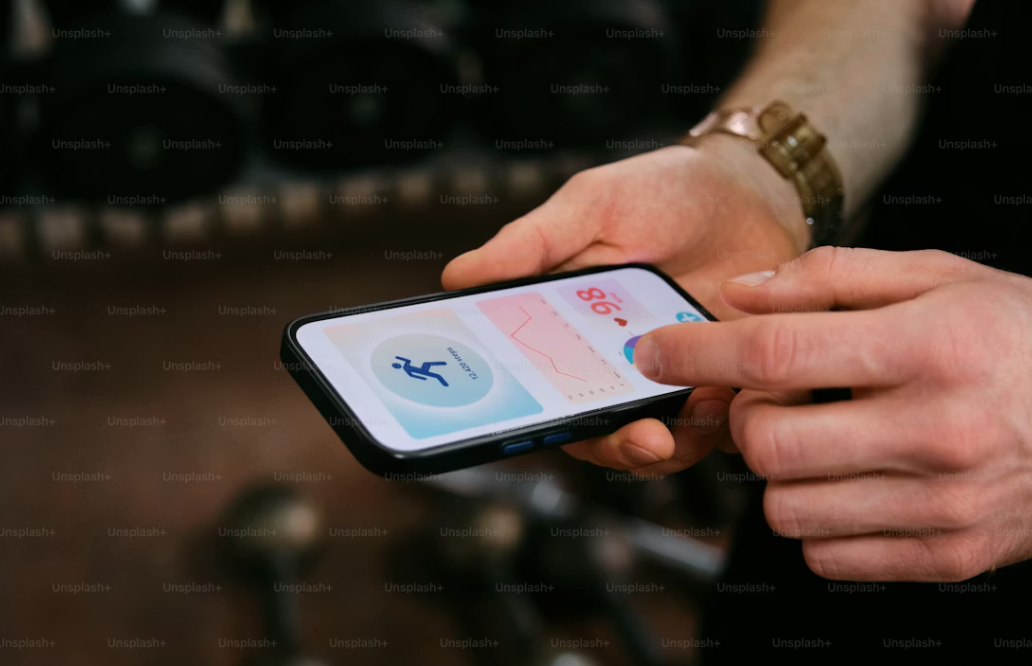
Person using fitness app (Credit: Unsplash)
By Josh Caldwell
To most in the modern day, it would be assumed that technology and AI would be a detriment to fitness and engagement — but is the digital scene really that impactful upon our youth’s engagement?
In Britain, it was found that by age 10 most children had access to their own mobile devices, with 88% of 12-year-olds being trusted with owning their own phones. Only 4% are without a mobile device by the age of 17, and that is only drawing attention to personal possession. Just a measly 3% of children report that they don’t have access to a family device entirely.
With so many of our youths owning electronics, or at the very least having them within their reach, there has been a stigma built within society that the current generations might be more inactive and prone to sedentary behaviour. More time sinking hours into the PlayStation is less time spent outside and active, surely? Though, within Scotland and the UK, technology is being reported as an asset to the sports scene, helping improve things like availability, notice, apprise, and the finances funding the institutions, despite the increase in use of electronics by children. The stigma does not match the data.

Woman using iPad in the gym (Credit: Getty Images)
Luke Caldwell, a Professional Athlete and Sports Coach, said: “I think as years go by, more and more people are doing more to get themselves in schools and promote themselves online. Nowadays as well, people are a lot more health conscious. I would think the kids are maybe more interested in that than mums and dads are.”
He continued: “I think nowadays, it’s [technology] the primary tool to use to gather engagement. Beforehand, you were relying on word-of-mouth; leaflets, and things. It’s never really been easier, so it is crucial in arranging things and, yeah, keeping everything running smoothly—the information is all there for everyone, literally at the click of a button.
“Technology has, if anything, buffed the engagement in sports and fitness despite what the societal stigma would have you believe. Children spend a lot of time on their electronics, but those same devices serve to make them aware of sports or health benefits and how to efficiently achieve them.”
Like many, Caldwell chalks some falls in youth engagement up to parental awareness or financial barriers set by the institutions. Even if technology is everywhere, not everyone has the luxury of access to them. According to a 2025 survey from Youth Sport Trust, only 24% of adults believe children should be active for a minimum of an hour each day, a drastic drop from the 38% pool of 2021.

Fitness watch (Credit: Getty Images)
He said: “I would say [to prove youth engagement] a big focus on making things as affordable as possible, even free where they can be. I think a big emphasis on getting people in schools, delivering taster-sessions and having a clear, outlined way to, you know, sign-up for classes, find out what classes are nearest them, X, Y and Z.
“So, I think going into schools and making sure it’s available to all members of the public, especially those from less-privileged backgrounds, because those are the ones that will never find it.” The improvement should be up to the governments with the funding to bring awareness to these matters. Sports engagement has never been easier, and everyone deserves a chance to see how streamlined the scene has become.”