
For better or for worse? Is Scotland ready to go back to grass?
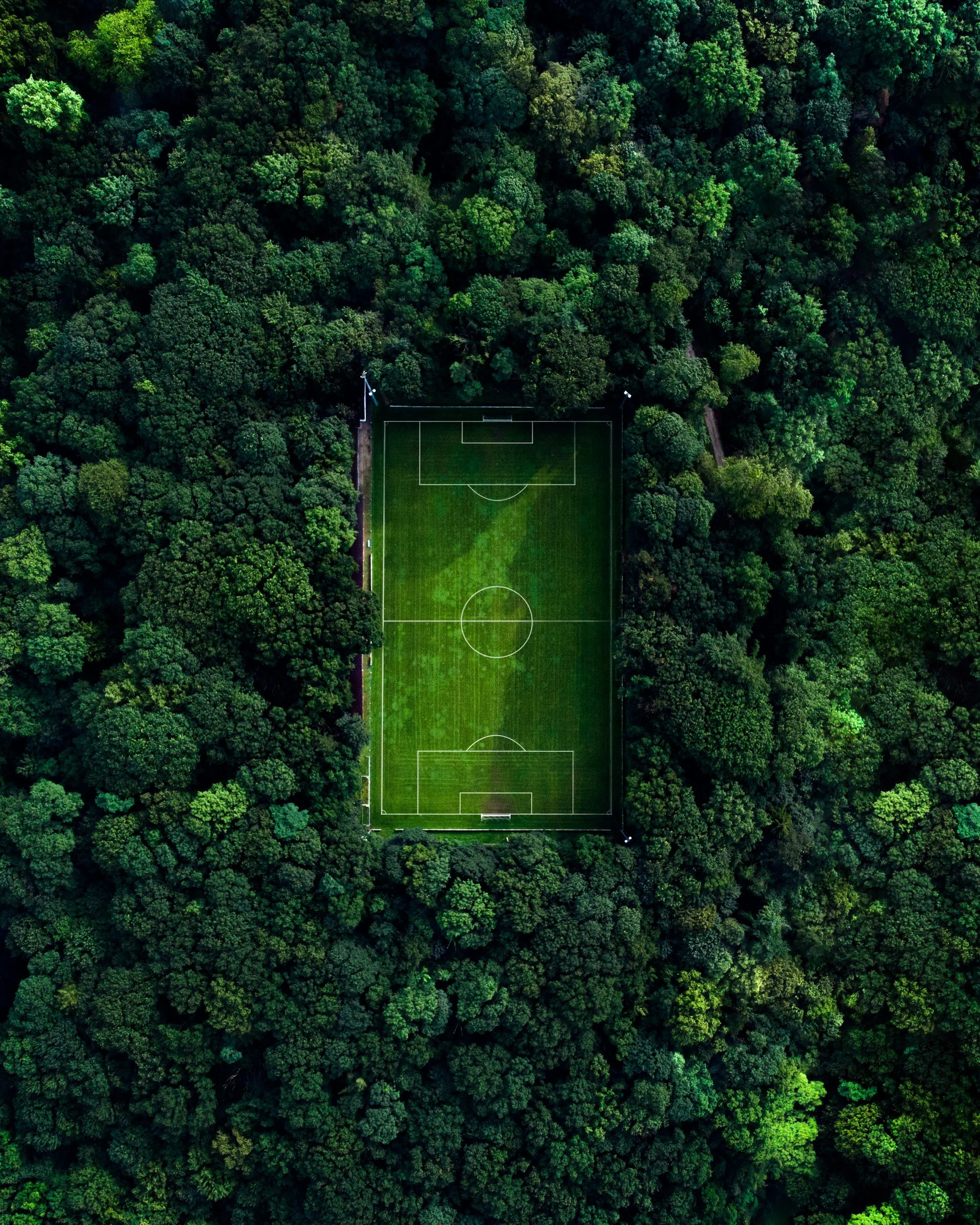
Image by Daniel Delea via Unsplash
By Emily Copeland
In May 2025, the clubs in the Scottish Premiership voted to ban artificial pitches from the 2026/27 season onwards. It was a decision that was years in the making, long debated and often controversial – but one that raised a deeper question: Is this a necessary step forward, or a costly step back?
Artificial surfaces have been subject to divided opinions within the game. For some they insult tradition or undermine sporting integrity and for others they provide a practical solution to the unpredictable Scottish climate. Yet the decision to ban them from the top-flight was made by just 12 clubs, with only nine required to pass the resolution – despite implications that stretch far beyond the Premiership.
In March 2024, a consultation paper was submitted to the Scottish Football Association (SFA) by clubs including, Falkirk, Queen of the South, Cove Rangers and Hamilton Academical, highlighting concerns. Major concerns included the significant financial costs associated with grass surfaces, with projections of up to £2.2 million, with further expenses if a relegated club was to revert to artificial. For many clubs that level of spending is unrealistic and the paper outlines the impacts of sporting integrity.
In a joint summary, found within the consultation paper, clubs said: “A decision to ban artificial surfaces from the Premiership could reduce pitch standards and damage the whole game in the long-term.”
One of the clubs majorly affected Falkirk, said in a statement to their club website: “We believe the proposal to be fundamentally flawed on a number of levels and, if approved, will cause significant long-term damage to Scottish football by undermining sporting integrity, impacting the wider game and creating huge financial entry barriers to the top league.”
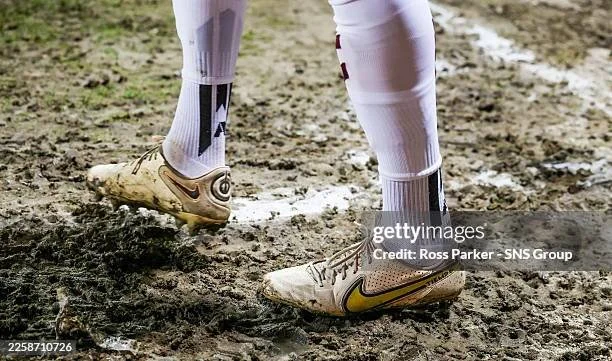
The pitch at Tannadice for the game between Dundee United and Aberdeen in January 2026 via Getty Images
Taking an outlook from one club, from a Queen of the South perspective, the club heavily invested in a state-of-the-art, artificial pitch ahead of the 2023-24 season. While the Premiership may seem like a distant dream, football is built on possibility and can always surprise you. Should QoS achieve promotion in the coming years, that investment would suddenly become defunct. Funds normally used to strengthen the playing squad, would be pushed aside for pitch replacement.
If every club within the SPFL were asked, then you could look at there being a different outcome. The SPFL claim that only the top-flight clubs were asked, because it didn’t affect those in the lower divisions. Questions have been asked over whether Championship clubs should have been asked at a minimum compared to Leagues 1 and 2.
On the proposals, life-long football supporter Robbie Boyd, said: “I’m a fence sitter on that one, because I do absolutely champion the idea, of championship and below, you know the majority of clubs have plastic pitches.
“I understand from the product point of view, of watching games on the telly, you watch games at Livingston and Kilmarnock, and you’re like this is a drab watch. But my generation, and your generation of footballers, they’re more used to playing on plastic pitches than they are grass, so I think it’s something that in the future is more common.”
Grass pitches are continuing to be advocated for within the SPFL for a variety of reasons. Grass is considered safer, reduces injury risk, more authentic and traditional, but on the other hand there are several challenges. The inconsistency in weather can make maintenance costly, increasing the risk of postponements.
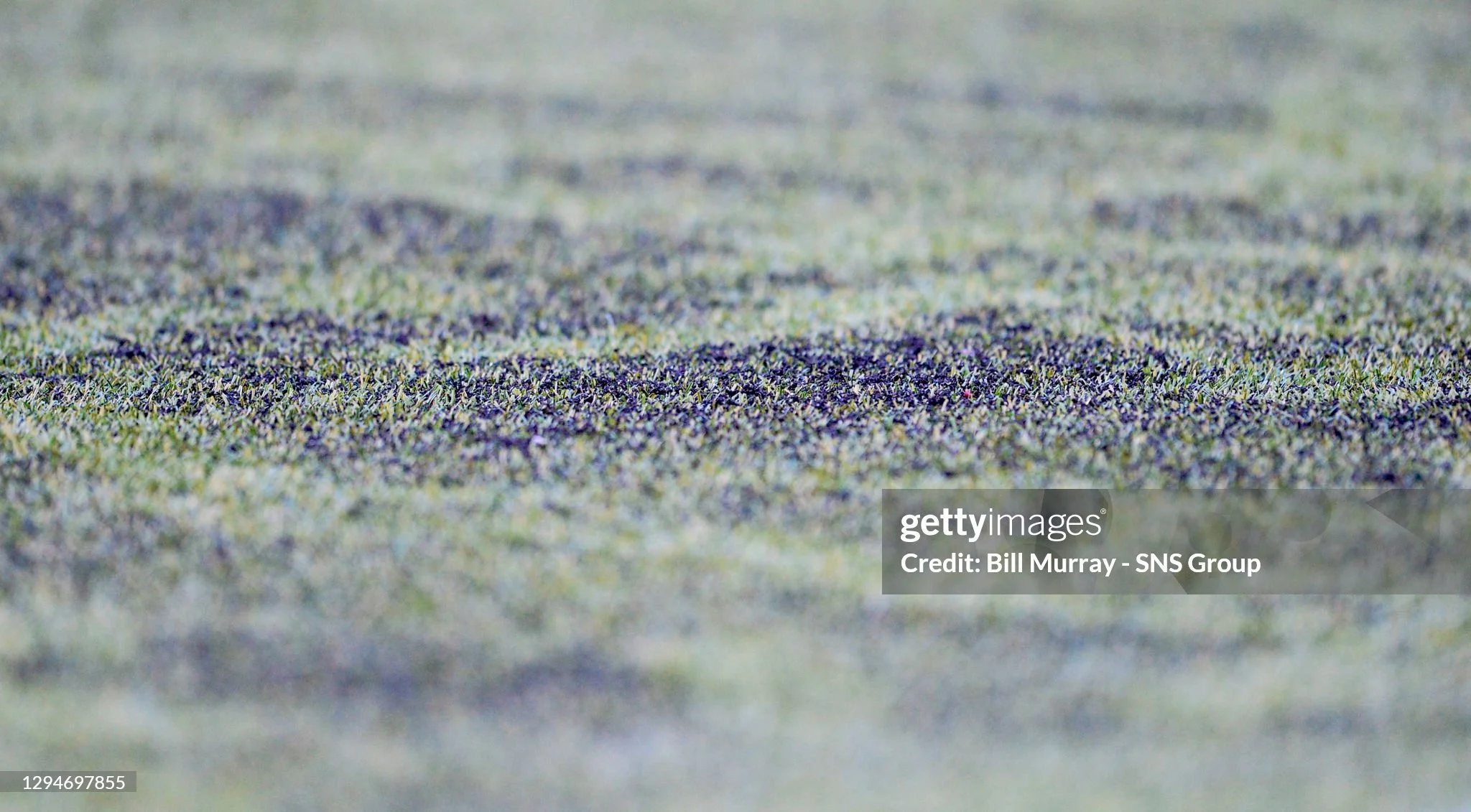
A bumpy Rugby Park pitch via Getty Images
This season alone has seen an overwhelming wave of postponements across the SPFL, with waterlogged and frozen pitches, forcing call-offs. Many at the last minute, these decisions come at a cost, not only for clubs but for supporters, artificial can often provide reliability that grass cannot guarantee.
This week we have seen St Johnstone unable to fulfil their KDM Evolution Trophy fixture with Ayr United for the third time due to a waterlogged pitch, with there being increased rainfall, no work able to be done to get the pitch back to playable standards. The irony of this, has seen this game now moved back to the Falkirk Stadium, with an artificial surface, in order to stay in line with competition deadlines.
So, is Scotland ready to go back to grass? Or is it a decision that leaves too many clubs footing a bill they simply cannot afford?