
UK signs £8bn contract to upgrade nuclear submarines
By Logan Smith
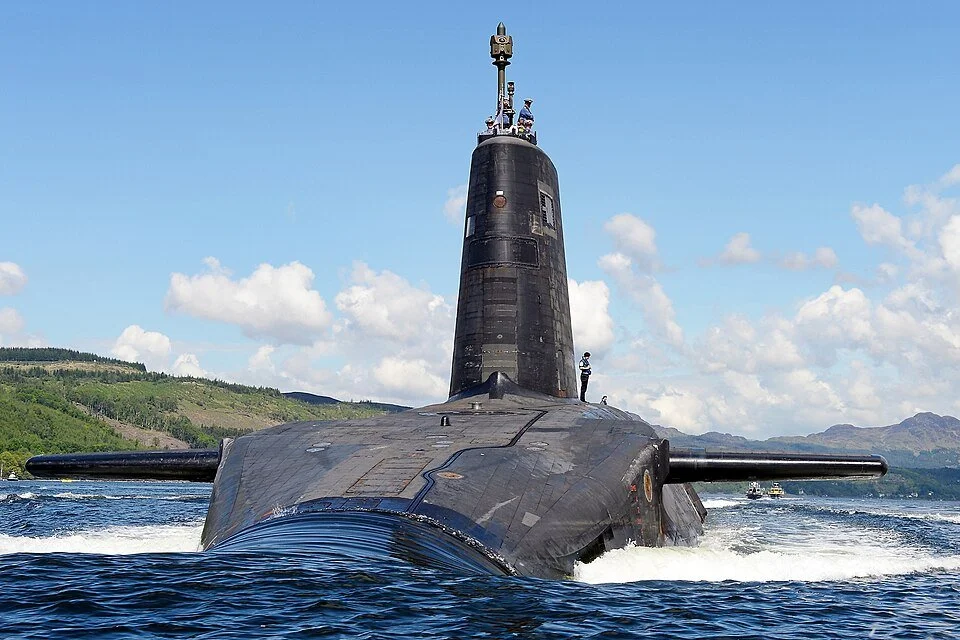
HMS Victorious via Wiki Commons
Defence Secretary Wes Streeting today announced that the UK Government has signed a £8 billion contract to upgrade its aging nuclear submarine fleet.
Working with the defence company Babcock International, the so-called 'Gateway Agreement ' is set to create an additional 3,000 full-time jobs and more than 2,500 apprenticeships, mostly in Plymouth, Bristol and around the Clyde.
The five-year deal will make complex submarine maintenance more streamlined, aiming to reduce delays and make the process easier.
General Sir Gwyn Jenkins, First Sea Lord and Chief of Naval Staff, said:
"Through this multi-billion-pound investment, we are backing the highly skilled people who support our fleet, tackling the delays that hold us back and getting submarines through maintenance quicker and back where they belong: beneath the waves."
The UK currently operates four Trident-class nuclear submarines, with the Navy maintaining a policy of always having at least one on active duty while the others are serviced.
This guarantees a nuclear response even in the event of total destruction; this is the aim of the nuclear deterrent.
The state of Britain's nuclear submarines has been a contentious issue in the press lately, with many organizations criticizing the lack of sustainable upgrades and questioning the programme's future.
Last week, HMS Vengeance returned to its base in Faslane, Scotland after more than 217 days at sea, making it the longest submarine mission in British history.
Experts expressed concern that longer patrols were becoming far too common, with the typical service length of a Vanguard-class submarine more than doubling in recent years.
Defence Secretary Wes Streeting addressed these concerns directly in a statement; he said:
"The deterrent is only as strong as our ability to keep it at sea. We're not going to repeat the mistakes of the past, where investment in our nuclear capability was delayed.
"The investment is contributing to the government's mission to put our young people to work – and no job could be more meaningful than keeping your country safe."
It has also been announced today that 100,000 British reservists have been contacted by the Government and asked to prepare for war.
Both announcements highlight the Government's commitment to defence after years of funding cuts and underinvestment; however, the constant war-readiness rhetoric will make some of the public uneasy.
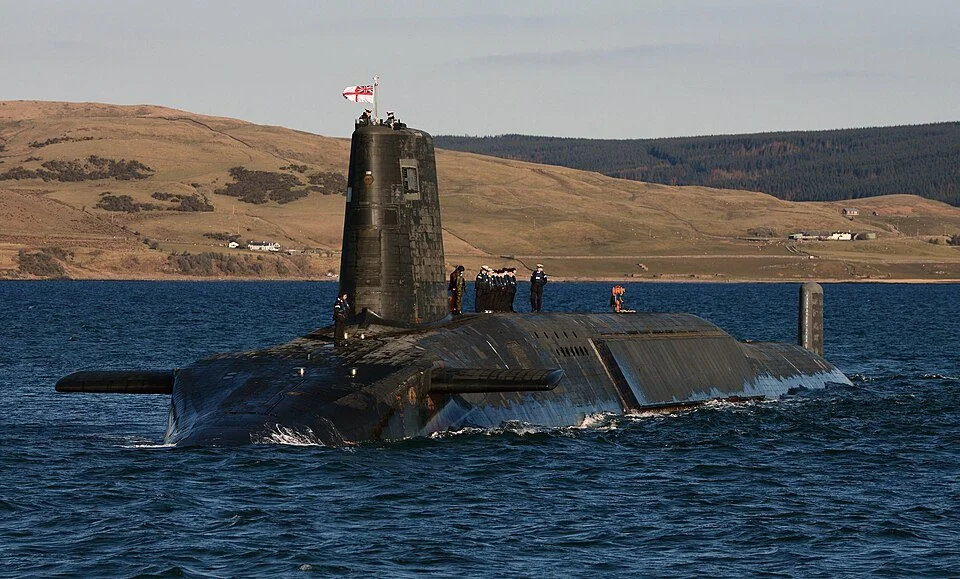
Trident Nuclear Submarine HMS Victorious via Wiki Commons