
How Nestlé is doing more damage to the environment than any other global company.
By Archie McFadzean
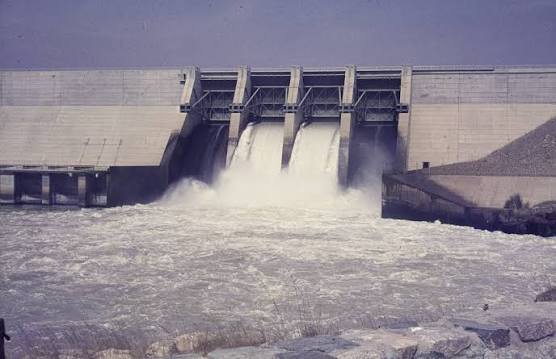
Water transportation on River Niger in Nigeria
In 2025, Nestlé used 96.1 million cubic meters of water according to data from Nestlé’s global water management agency.
This information raises several different questions. What is the damage that is being done by the use of this water? How is wildlife in close proximity to these areas affected?
Nestlé is primarily taking water from local aquifers in California, Oregon, and Michigan. The damage to local ecosystems is severe, with many of these aquifers being overused to a point where they dry out.
This is not only affecting the communities that live near these water systems; but also, greatly harming wildlife as well, mainly aquatic wildlife species like trout, salmon, and whitefish.
As these fish need fresh, well-circulated water to be able to survive, and because of Nestlé's extraction, this has damaged water flow, leading to the death of thousands of these fish.
This extraction is not only harming ecosystems and communities in well-developed nations, but the harm that is being done to groups of people in places such as Africa is abhorrent.
The current climate crisis facing the planet worldwide is only worsened by damage done by huge conglomerates like Nestle. Greta Thunberg was quoted at a climate talk in Antalya, Turkey stating: ‘The planet is not dying, it is being killed and we know by who.’
Mostly in countries such as northern Nigeria; for example, research led by the State University of New York found over 10,000 plastic particles per litre of water.
So, what does this mean for people living in Nigeria? Well, the most common concern is the lack of fresh water and the negative health issues associated with this population.
Such as the microparticles of plastic that are found in water that is meant to be safe, such as water from Nestlé drinking bottles; however, even though the buildup of plastics in the body can be harmful over time,
The most pressing health risk is waterborne diseases such as cholera. According to the National Institutes of Health, it was found that in 2023 at least 523 people died because of cholera from water that was directly contaminated by Nestlé through their water extraction.
Though the most recent figures are primarily from 2023 and before, there have been a few serious developments this month on this issue which could potentially cause more harm to local farmers and their environment.
For example, on the first of this month, Nestlé Nigeria Plc announced that it is seeking funding and support from shareholders to take more water out of Nigeria, and the harm that this will cause if it's approved will be devastating.
So, what does this mean for people in Nigeria? The current problems, such as a lack of access to clean drinking water, will only worsen.
Because if this proposal is approved by Nestlé shareholders and regulators, local communities will not be able to dispute it as they don't have the money to pay for a legal defense, and this trend of usury by Nestlé has been seen for years in that part of the world.
So, what possible solutions exist to help fix this deadly humanitarian problem? It is quite clear that there needs to be better oversight over the extraction of water from areas that need it, and this could be done by the creation of better-equipped regional watchdogs.
Even though some currently exist, they do not have the powers to prevent companies like Nestlé from removing water from extremely impoverished nations such as Nigeria.
As for the issue of waterborne pathogens, thousands of more people will die in the years to come from cholera outbreaks that can be directly tied to the water removal by large conglomerates.
However as much this is very negative that work that is being done by charity's such UNICEF and others has been extremely beneficial for people in Nigeria as they have managed to create access to clean water for 184,209 people across the country.