
Halloween hits historic high
By Scott Rolland
Beginning as a deeply religious celebration, the annual festival known as Halloween, has become a global economic phenomenon with reports suggesting the event is set to become a billion-pound industry in the UK.
Halloween in the UK has evolved continuously through the years both financially and culturally. In the not-too-distant past, Halloween in the 1980s differed greatly to today’s standard Halloween do.
Kids growing up in the 80s will remember cheap costumes, many of them homemade. Adults of the 80s will remember being begged by their children in hope of a shop-bought costume but promptly opting for a self-created version.
Celebrations of Halloween were also much more child focused with adults preparing their kids for a night of guising, carving pumpkins and roaming the streets in spooky disguises. It wasn’t as commercially focused and had much more of a community feel.
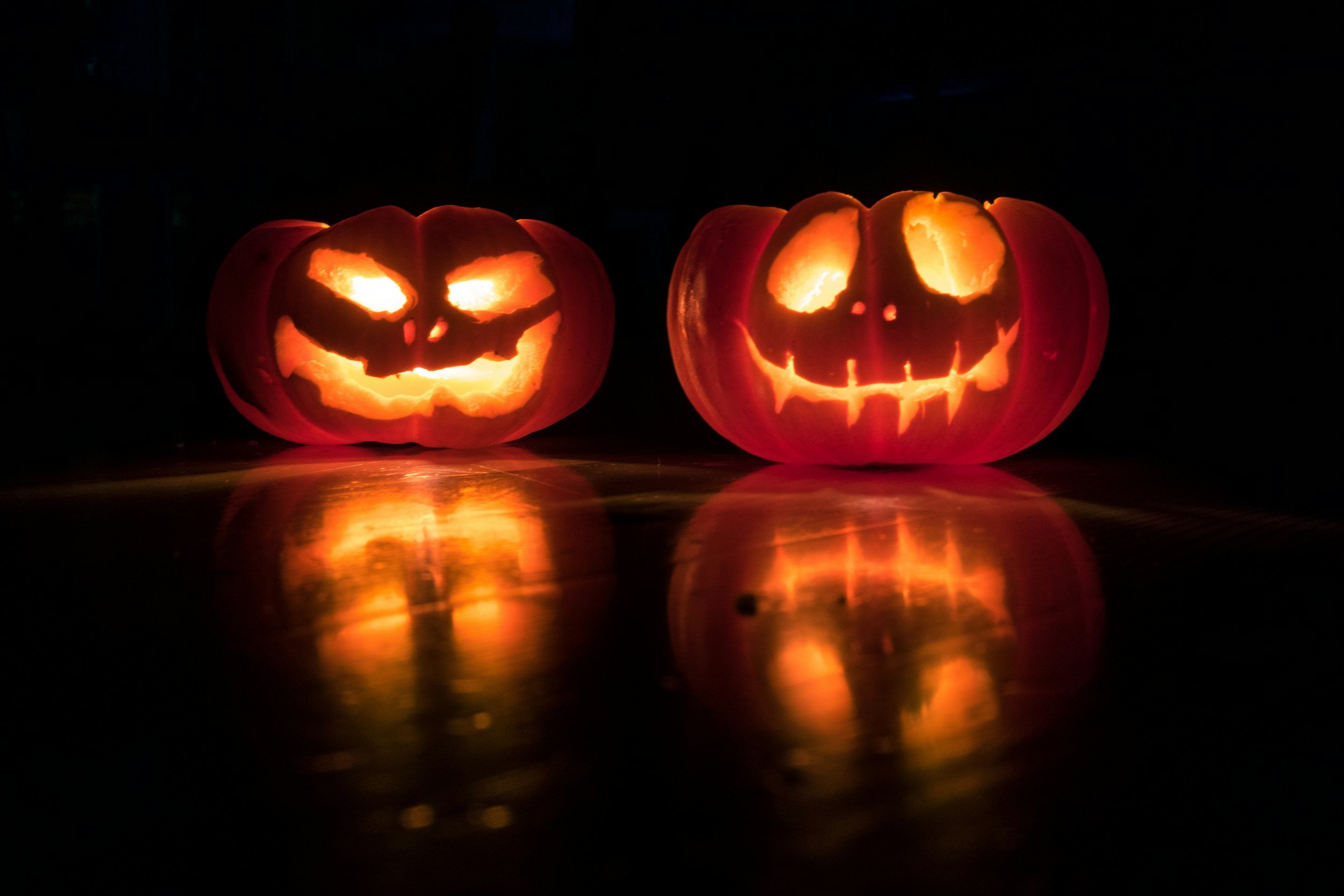
Two carved pumpkins lit up - via Unsplash.
Now in 2026, the UK is forecast to be reaching the fiscal heights of £1.16 billion, according to a recent report by Statista. This, even compared to last years estimated spending of £779 million, is a drastic increase in spending which is largely driven by social media trends.
The traditional kids’ Halloween celebrations have switched in recent years. More adults now take part by dressing up in costumes, decorating their homes and having boozy nights out in the name of Halloween. As people continue to be involved in the new trends shops and businesses have benefited greatly.
These trends reflect a huge departure from the original Halloween meaning and raises the question: How much has the celebration changed from its historical roots?
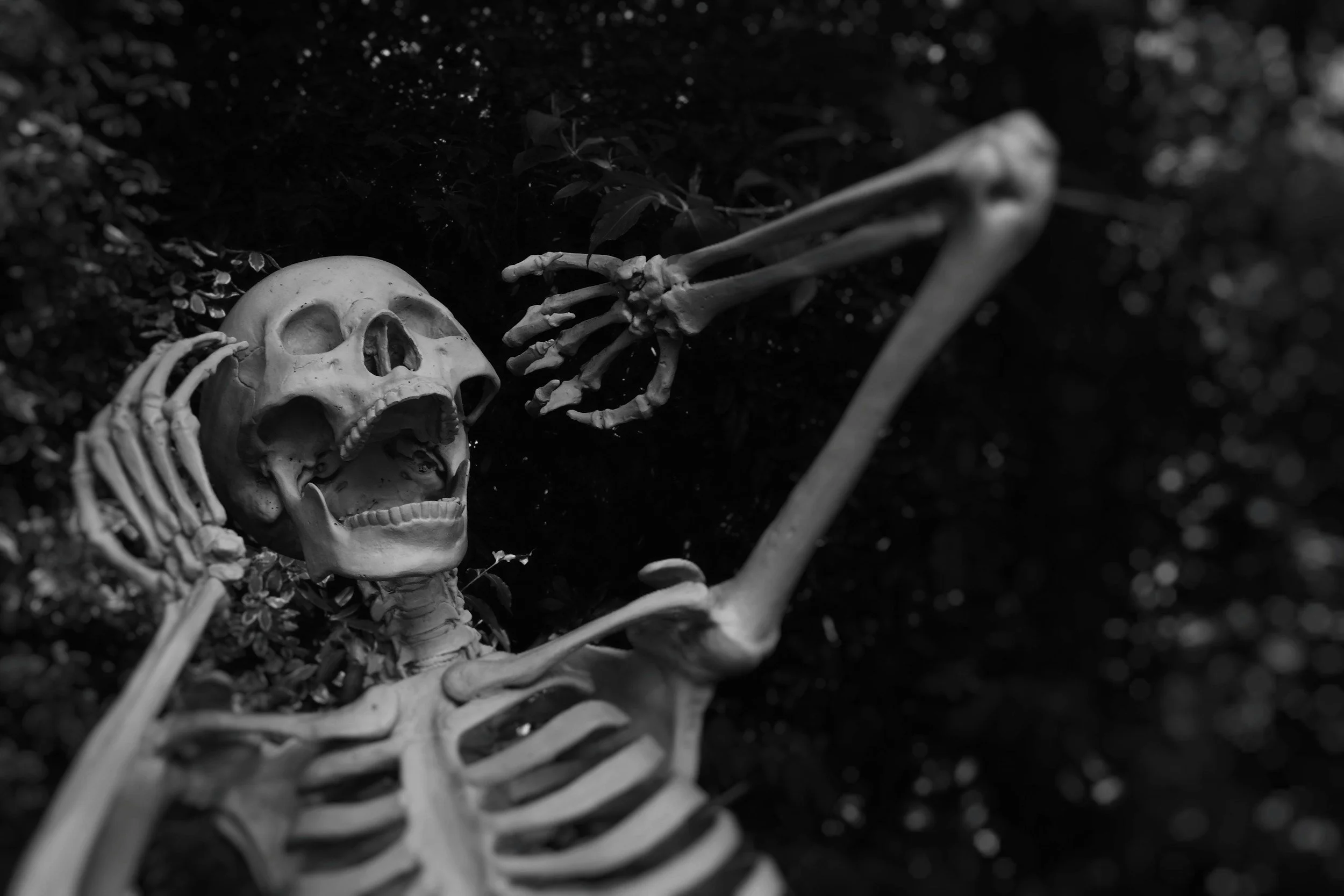
Halloween skeleton decoration - via Unsplash.
Dating back more than 2,000 years Halloween started through a combination of Christian, folk, and Celtic festivals honouring the dead. Some similarities can still be seen in today’s typical celebration. Things such as mask wearing, lots of food, plenty to drink and community spirit are still a big part.
The original mask wearing, however, was intended, in part, to confuse evil spirits along with their costumes. Unlike today, where costumes and mask wearing tends to be fashion orientated and are increasingly drifting away from the haunted, spooky, gothic designs.
Halloween hasn’t just survived; it has transitioned from the yearly one-night religious event into the economic boom that it is today, which dominates the weeks of October. Despite the changes and introduction of new traditions the basis of modern Halloween has been greatly shaped by Christian, Pagan and Gaelic traditions, among others.
Across the world Halloween will continue to evolve, adapting to the ever changing societal and technological advances. As shown the longevity is largely down to its ability to remain relevant and modern, even though many of its core origins and values have long since disappeared.
The adaptation into the new world has been a commercial success. Through advertisement and promotional content on social media, Halloween is as relevant as ever.
As the UK approaches another Halloween many of the longstanding traditions will continue; in the sense that people across the country will dress up, attend parties and decorate their homes. Halloween will also continue to centre around the vibe of spooky and scary, however, not to the extent it once would have. From humble beginnings to today’s alcohol fuelled celebrations, Halloween has evolved into a magical money spinner.