
How AI Can Change The Gaming World Forever?
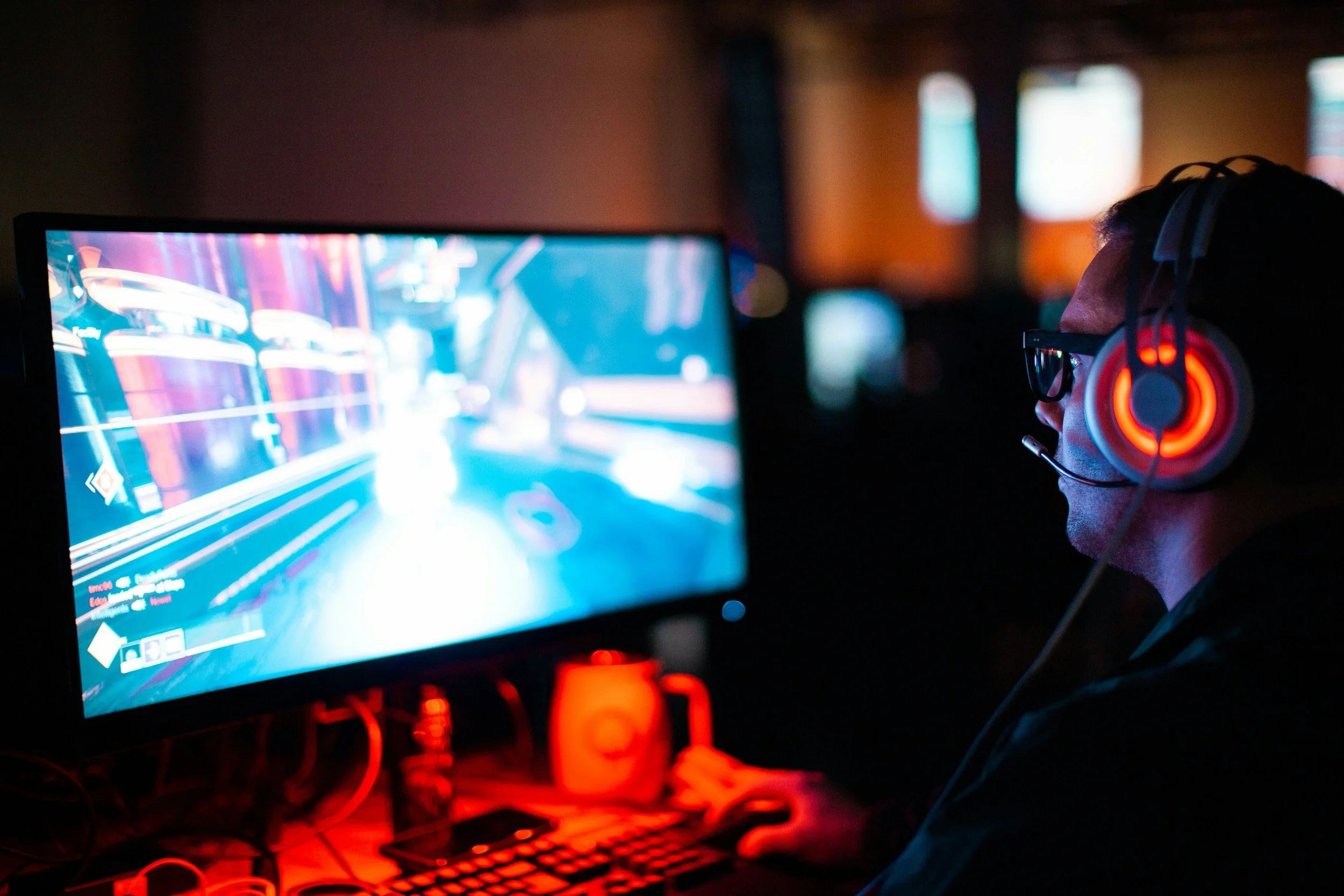
As technology improves, we see more innovations in what artificial intelligence is capable of and how it is implemented in the creative process of video game design.
Many developers are now open about their use of different types of AI in their workflow and claim it drives innovation and enhances the player experience. While it is mostly viewed by most gamers as being taboo, big names in the video game industry have broken their silence on where they sit.
Swen Vincke, video game designer and director of Larian studios, said that Larian currently uses machine learning systems to help automate game-development tasks that "nobody wants to do".
In an interview with GameSpot, he said: "It's the obvious things, like a motion capture cleaning or voice editing, or something very specific such as retargeting. So that is basically if you play with different species, you want to be able to reuse an animation on a different species that are in different sizes, and then they're doing certain interactions with others."
Swen’s transparency came as a shock to many fans of the celebrated development company and was met with a backlash on social media.
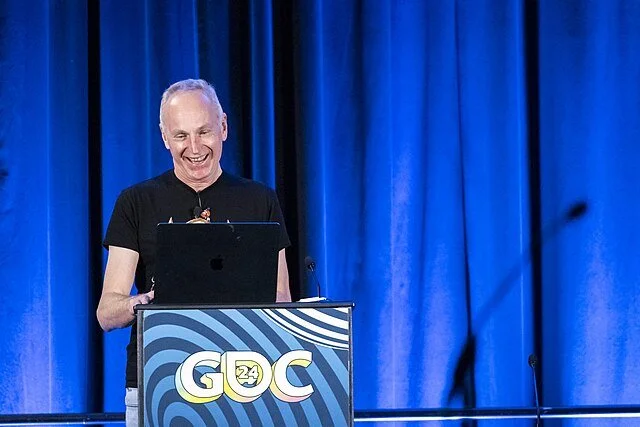
Swen Vincke at Game Developers Conference 2024
Fans expressed their feelings on different social media sites, so much so that Swen responded to the backlash on X directly.
He said: “We have a team of 72 artists, of which 23 are concept artists, and we are hiring more. The art they create is original and I’m very proud of what they do. I was asked explicitly about concept art and our use of Gen AI. I answered that we use it to explore things. I didn’t say we use it to develop concept art. The artists do that. And they are indeed world-class artists.”
The uproar came at an inopportune time as Larian had just announced a sequel to their game giant Divinity. While many are already speaking of boycotting it, others are discussing whether the matter is as simple as whether AI is bad or if it’s good. In truth, AI has existed in video game development for a very long time and there are many different types of it used in the process.
The most common use of AI in video games is normally referred to as a combat AI. Essentially, it is an AI that controls characters in video games that aren’t operated by players and has them adapt to the player’s actions.

The type of AI that is being seen more in video game development today is called procedurally content generation or generative AI. It is an AI technique that autonomously creates in-game content through algorithms with minimal input from designers. A survey in 2025 by Harris Poll and Google Cloud found that 87% of developers use AI agents in their workflow. It also found that respondents agree that AI is "having a positive influence across a wide range of creative efforts, business settings, and internal workflows", with "more than 90%" of respondents saying it is "helping with an array of challenges, including driving innovation and enhancing the player experience".
However, not every developer shares these views. Recently a mega-game known as Clair Obscur: Expedition 33 stormed the 2025 Game Awards. Guillaume Broche, the game’s director, spoke about AI during a Discord Q&A.
He said: “We had originally used it as a placeholder for textures we missed, but we took it out as soon as we found it. But the concept art, voice actors, everything is human made.
“It’s pretty hard to predict what the future [of the industry] will look like, but everything will be made by humans from us.”
What are the arguments against the use of AI? While it can increase the rate of workflow it also replaces jobs that are performed by humans, thus taking them out of the development process. A popular multiplayer shooter game called Arc Raiders uses AI to generate voices for many non-playable characters in place of hired actors. AI that generates character designs and concept art used in game development replaces artists. Furthermore, all AI is trained from content that already exists out in the world. This brings copyright and theft into the discussion as well.
Despite the advances the technology has shown, there is still a large public pushback against the use of it. In time will we see more developers show transparency about their use of AI? Or will the disdain shown by players give them incentive to move away from using it?
Whatever happens, it seems that companies are wading in cautiously in an evolving industry.