
What can the ISS medical evacuation teach us for when we return to the moon?
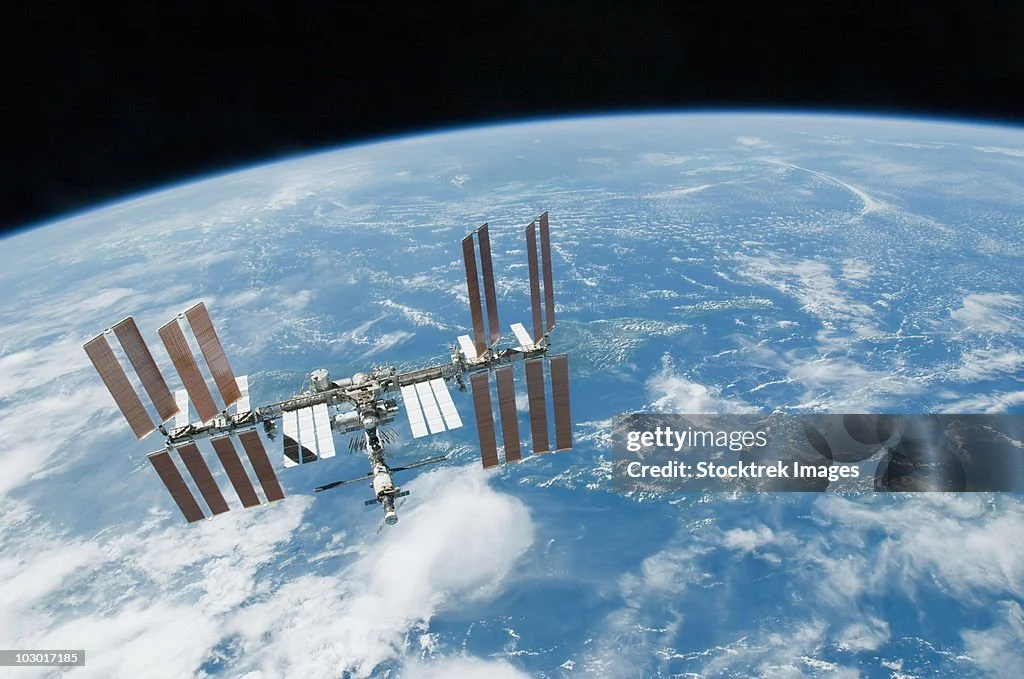
The International Space Station (Credit: Getty Images)
By Logan Smith
The first ever medical evacuation from space took place this week, with four astronauts being forced to leave the International Space Station after an unexpected medical incident.
One of the four crew members became unexpectedly ill after the cancellation of a scheduled spacewalk. This is the first time that a medical evacuation has taken place in high Earth orbit, with all four astronauts being forced to make the dangerous re-entry into the Earth's atmosphere. Re-entry is a perilous process with speeds reaching up to and beyond 20,000 mph. It was during this process that the Space Shuttle Columbia was destroyed in 2003, killing all seven crew members. This time however, all four astronauts were able to return safely to the surface with no reported issues.
NASA (administrator Jared Isaacman has made it clear that the crew are “all safe and in good spirits” with the “crew member of concern doing fine”.
This medical event and emergency evacuation highlights the dangerous nature of space travel and the unpredictability of having humans in space. The International Space Station itself is one of the most expensive and important technological achievements in human history. The station is more than prepared for these kinds of events, easily allowing astronauts to return to the surface within even a few hours.
This, however, is not the case when it comes to long term space travel, with distances of hundreds of thousands of miles making immediate evacuations impossible. This medical emergency has proven to be an unexpected challenge for NASA as they were already tipped to have a busy couple of months.
February is set to see the launch of Artemis II, the second part of NASA’s flagship Artemis Program (AP) that is set to get humanity back on the moon’s surface for the first time in almost 50 years. The AP was formally established in 2017 with the intended goal of establishing a permanent human presence on the moon, establishing bases and other facilities for later development.
A permanent base of operations on the moon would be game changing for the scientific community. It would allow access to experiments that otherwise could not take place on the Earth, while also helping to facilitate the means necessary to make manned missions to Mars a realistic prospect within the next few decades. If there was to be a medical emergency on a lunar base, it would not be possible to receive any worthwhile medical attention from Earth. There will have to be specifically designed medical facilities within these bases, constantly on standby in case of an accident or illness
The first part of the mission, Artemis I, already took place back in November 2022. An unmanned flight, its goal was to test the capabilities of the spacecraft and its condition upon re-entry into the atmosphere. The second part will repeat these tests but with a crewed capsule, circling around the moon before returning to Earth.
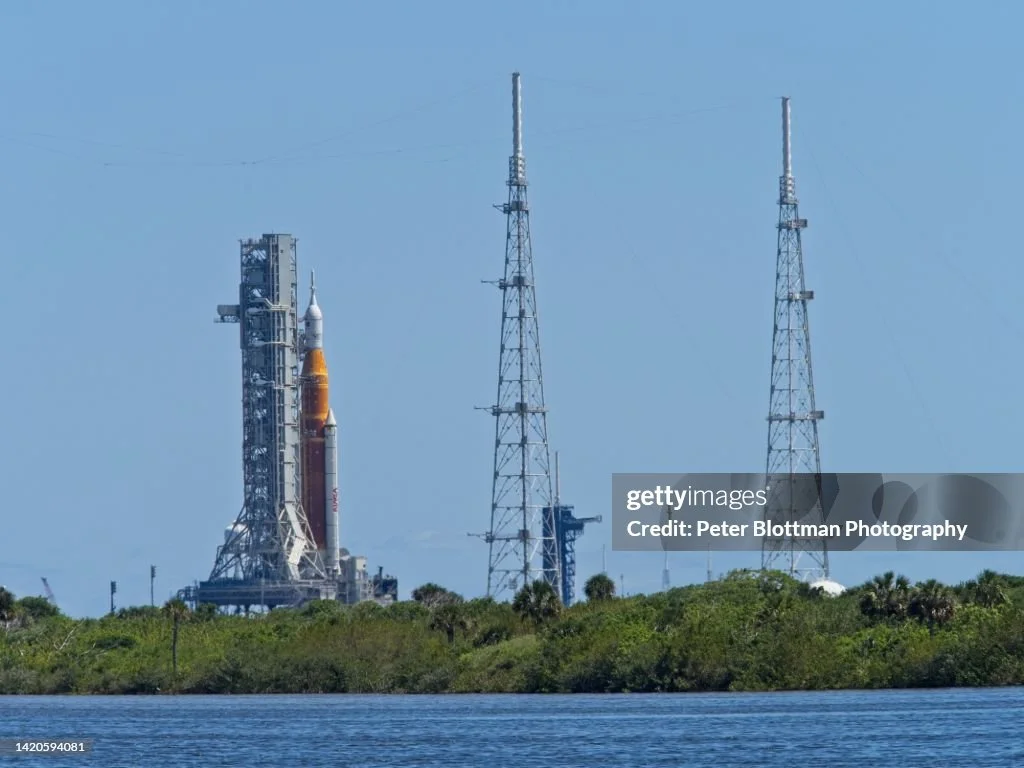
Artemis 1 (Credit: Getty Images)
The third and final launch is due to take off in mid-2027, landing on the southern polar regions of the lunar surface and becoming only the seventh successful crewed moon landing in history. These missions are long and dangerous, with months of overall space travel and millions of opportunities for things to go wrong. This is in stark contrast to the recent medical evacuation from the International Space Station, as it would be impossible to immediately return to Earth.
Humanity’s return to the moon has been long awaited by the scientific community. It has the capability of inspiring another generation of learners, advancing scientific theory, expanding known information about the moon and helping the understanding of its surface and the surface of other interstellar moons.
The AP will also herald a new dawn for women, with the first woman to walk on the moon being included in its crew. The success of the AP is imperative for humanity’s advancement towards the stars. It is the beginning of a modern era where traveling between the planets in our solar system becomes an easier prospect, not just a dream. It sets the stage for our future in the stars, even if this is a future none of us will ever live to see.