
Seen or simplified? The controversy behind the first autistic Barbie doll
The new autistic barbie aims to celebrate neurodiversity, yet highlights how easily inclusion can become a label
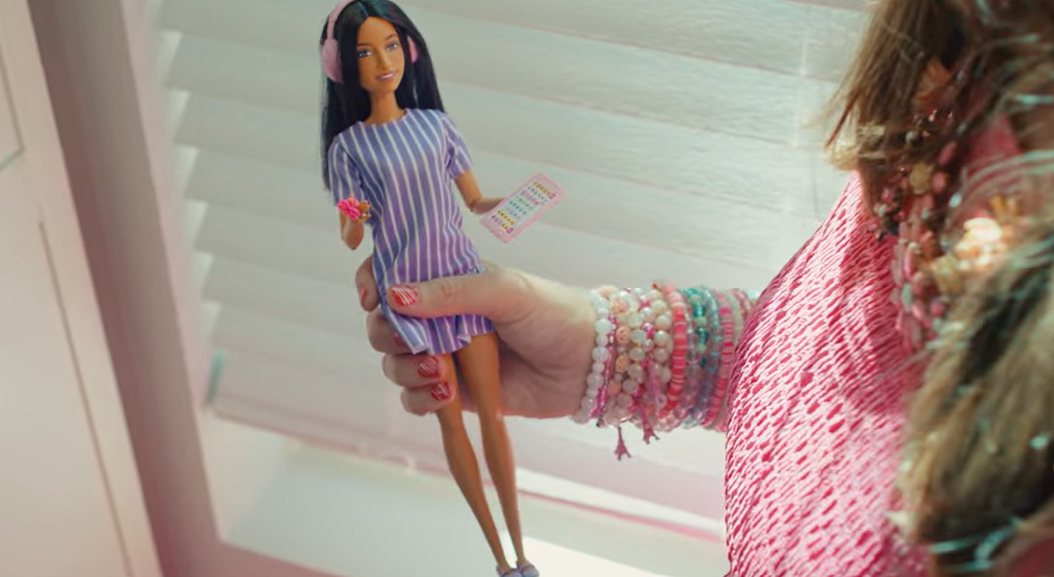
First look at the autistic Barbie doll (Credit: Mattel)
By Ellie MacPhee
What does inclusion look like when it comes in a box with a label on it? The autistic Barbie is meant to represent progress, yet for me and many others, it prompted an uneasy question: at what point does representation stop being humanising and start becoming something else?
The ‘autistic Barbie’ was released on 12 January as part of Mattel’s growing Barbie Diversity Range. Autism is a form of neurodivergence that can affect social communication, interaction, and behaviour, presenting as a spectrum where each person has unique strengths and challenges, involving differences in sensory processing, intense interests, and preference for routines, often with support needs varying from minimal to significant all stemming from how the brain develops differently, not an illness needing a cure. According to the World Health Organisation, more than one in 100 children are believed to be autistic. However, autism is part of a large spectrum and doesn't affect any two people the same.
The new doll includes a wide range of specially designed features. Her eyes are slightly averted to reflect the eye-contact aversion experienced by some autistic people. She wears headphones to symbolise sensory overload reduction while also serving as a fashionable accessory. She holds a tablet representing symbol-based augmentative and alternative communication (AAC) apps. The doll's body design is also unique, featuring movable elbows and wrists that allow for stimming behaviours such as hand flapping and other expressive gestures. She also comes with a functional fidget spinner that spins, providing a sensory outlet to help reduce stress and improve focus. Additionally, the doll is dressed in sensory-friendly clothing designed to minimise fabric-to-skin contact.
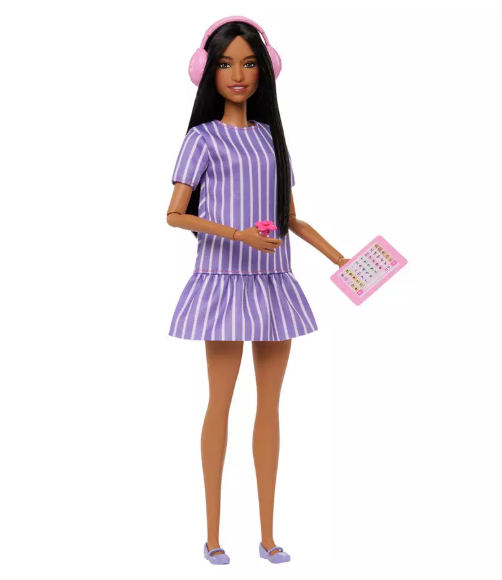
Autistic Barbie doll standing (Credit: Argos)
Upon the release, there was a large uproar on social media towards these features.
A user on X (formerly Twitter) said: “JFC? Flappy hands? I’m sure autistic girls are going to be thrilled to know barbie thinks this is who they all are.”
However, this backlash isn’t just people rejecting progress. Many of the concerns are valid. The discomfort comes from the sense that autism has been reduced to a set of visible traits.
While the doll is presented as inclusive, it risks reinforcing a narrow idea and stereotype of what autism looks like that autistic people and supporters have been trying to rid for years. Not all autistic people avoid eye contact, stim with their hands, wear headphones, or use AAC devices. By combining these traits into one doll, Mattel suggests a single autistic experience, which ignores the real diversity of the autistic spectrum.
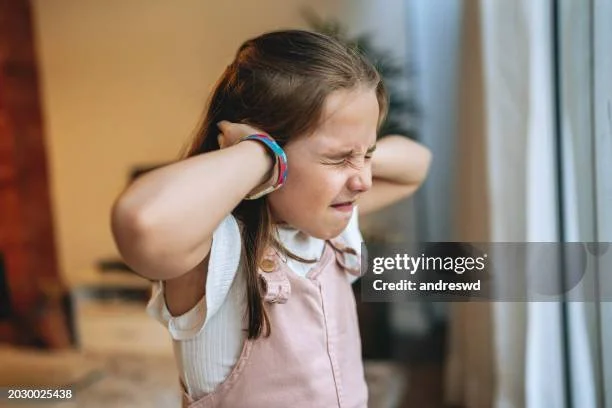
Girl with autism (Credit: Getty Images)
This is especially troubling because autistic people already face strong stereotypes. Many autistic girls and women are underdiagnosed because they do not match these common images. When representation only focuses on recognisable symbols, it can exclude those whose autism presents differently, making them feel more unseen rather than included. That said, the autistic Barbie should not be dismissed entirely. For some autistic children, particularly those with higher support needs, the doll may offer comfort and recognition. Seeing sensory tools treated as normal, rather than something to hide, can be empowering. In this way, the doll does represent progress, just not without flaws.
The problem isn't the representation, but how it’s portrayed and handled. When inclusion is led by large corporations, they usually prioritise what is easy to sell rather than what is accurate or respectful. True inclusion is not achieved through a single product. A range of autistic dolls showing different traits and experiences would better reflect the spectrum than one doll expected to represent everyone.
The autistic Barbie may help open the door to discussion, but it cannot stand in for real understanding or meaningful change.