
Breakthrough research into IBD diagnoses
by Mason Kyle
Tens of thousands of Scots who suffer with IBD can look forward to greater diagnoses. Breakthrough research into inflammatory bowel disease from the University of Glasgow, has recently developed a tool that measures activity of IBD in faecal samples.
Dubbed the luminescent reporter, the optical tool lights up when detecting the IBD molecule, with higher readouts indicating increased activity and inflammation. This can boost the accuracy of stool sample tests for IBD and reduce the need for invasive procedures.
The researchers involved includes scientists from the universities of Glasgow, Edinburgh, Tel Aviv and Groningen.
Professor Gwo-Tzer Ho from the University of Glasgow, the co-author of the study, said: “This important study is a wonderful example of fundamental chemists working closely with doctors who understands how the gut works.
“We need better tests that can tell us about the mechanisms rather than simply measuring inflammation to help us treat patients better.”
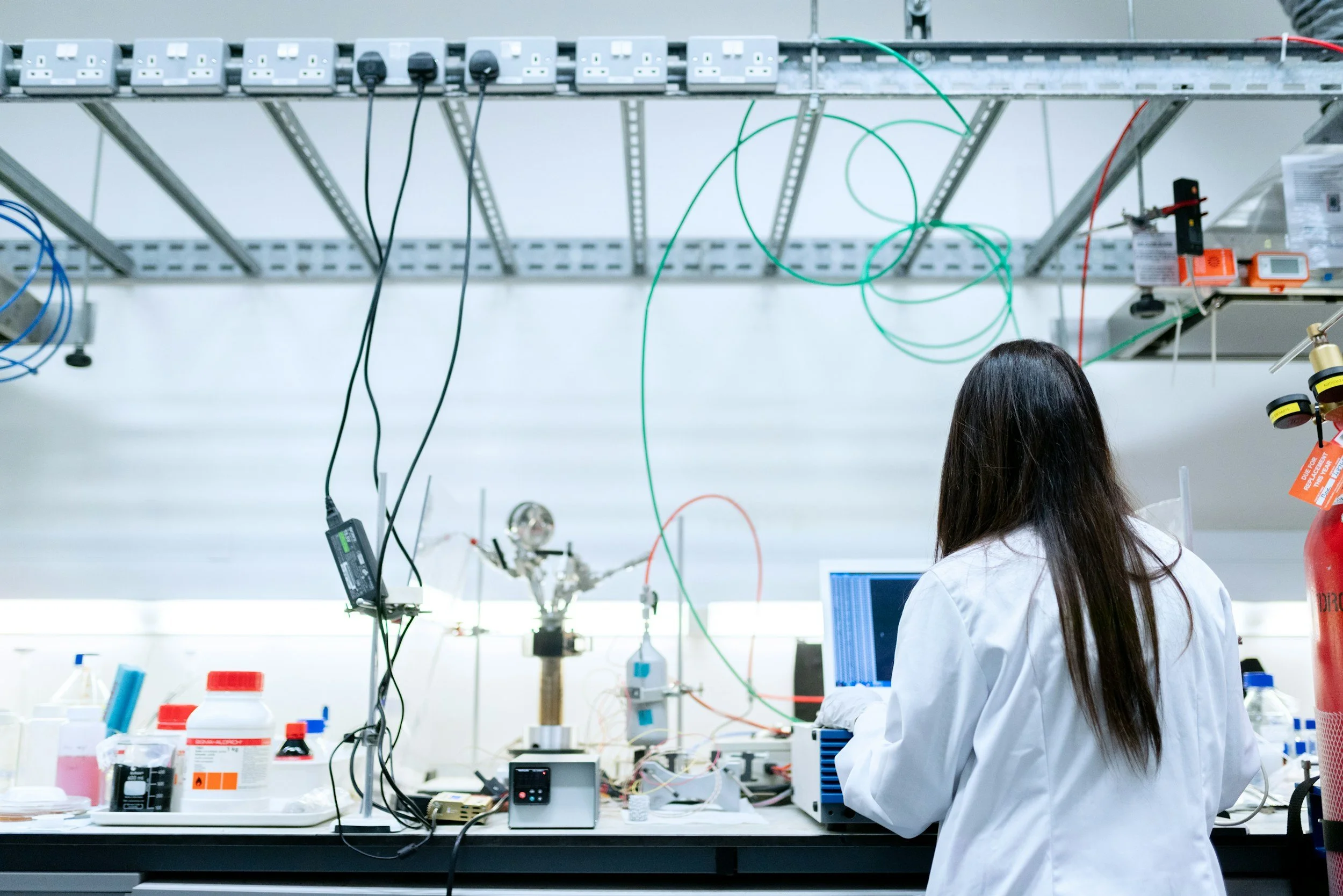
(by Thisisengineering via Unsplash)
Current IBD tests measure general markers of inflammation, so further invasive investigation is required.
Professor Marc Vendrell, from the University of Edinburgh’s Institute for Regeneration and Repair, said: “The speed and sensitivity of our optical tool has the potential to accelerate future studies into the roles of the immune system in IBD, as well as improving the pathway to diagnosis. In the future, these optical tools could also be used to help tailor treatments for IBD patients.”
IBD is a chronic illness where the body’s immune system mistakenly attacks the digestive tract, increasing the risk of colon cancer. Diagnosis and monitoring of the condition often rely on colonoscopies, where a small camera is used to examine the gut.
Researchers say the ability to identify inflammation is a step forward for IBD diagnosis, but further research is needed before it can be used in a clinical setting.