
Why This is the Best Arsenal Team Since the Invincibles
By Lennox Rae-Steele
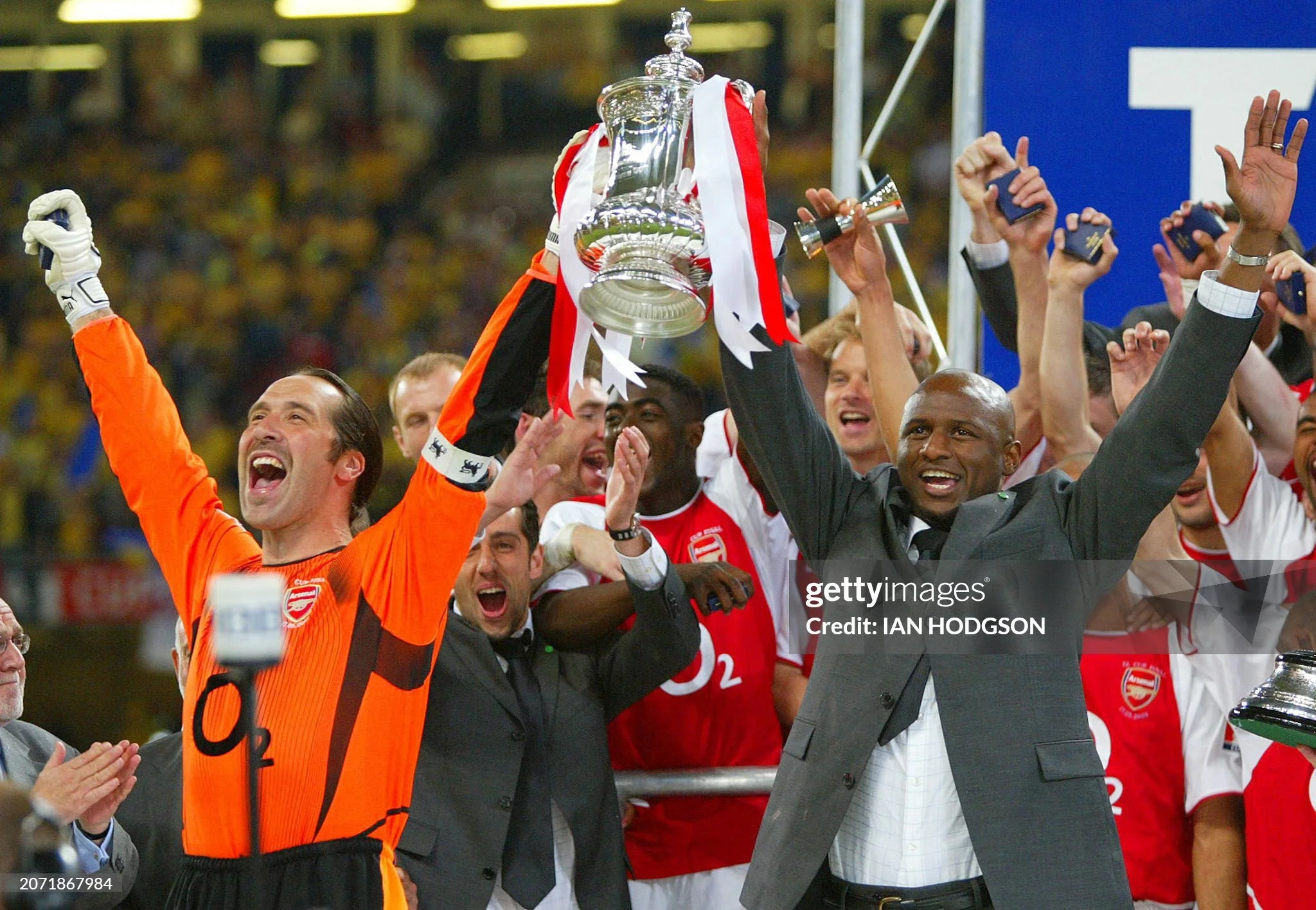
The 2003/04 Arsenal team, commonly known as the Invincibles, is often heralded as the club’s best in its history, being the only team in history to win the Premier League without a single defeat in history. However, Mikel Arteta’s current Arsenal side, who are sitting comfortably at the top of the league table, are looking like the club’s most exciting in modern times.
The case for this being Arsenals strongest side since the Invincibles is backed up quietly by the data. Last season they conceded fewer goals and a lower expected goals figure than any Arsenal side since 2003/04, while also allowing fewer shots per game since the Invincibles did across their whole league campaign.
This is even clearer in game control. The current squad have conceded significantly fewer chances after losing possession in the attacking third than other Arsenal sides and their rate of shots faced from fast breaks was among the lowest in the league, something post-Invincibles teams have consistently struggled with.
In possession, this side produces a higher share of touches inside the opposition box than the 2007/08 and 2015/16 teams but without sacrificing defensive cover. It's all about taking risks at both sides. Statistically, that balance is what Arsenal have been chasing since the Invincibles and is why this version of Arsenal sits in the same conversation.
If the Invincibles were powered by individual dominance, this current Arsenal side is defined by collective domination. Declan Rice doesn’t replicate Patrick Vieira’s volume of ball carrying or final third influence, but his impact shows up where modern games are won. This side concedes fewer shots following turnovers than any Arsenal team in history and Rice ranks among the league leaders for interceptions and recoveries in the middle third, the area in where counter attacks are usually born. With him anchoring midfield, Arsenal allow significantly fewer touches in their defensive box per match than the 2003–04 side did, despite facing more possession focused attacks in a faster league.
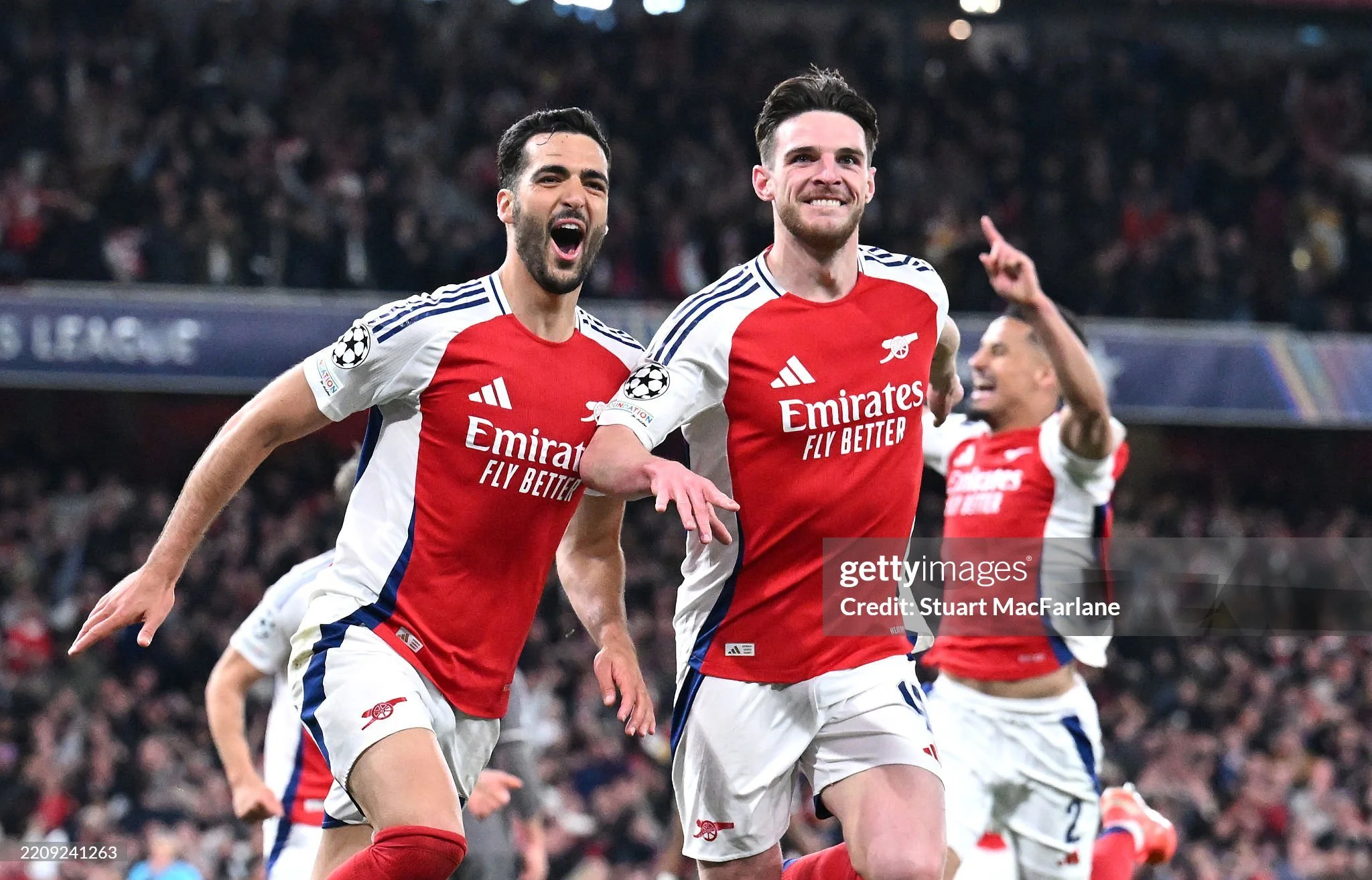
The same pattern holds across the back line. This defensive unit gives up fewer shots per game and a lower expected goals figure than the Invincibles, not because of individual duels alone but because spacing and coverage. Whereas Vieira’s Arsenal are often trusted authority to win moments, this team reduces the number of moments that need winning. They control games the way that post-Invincibles Arsenal have never matched — and, by the numbers, even the Invincibles rarely sustained.
What ultimately pushes this current Arsenal side beyond its recent predecessors is how little the games seem to swing against them once they gain an advantage.
Since the start of last season, Arsenal have dropped fewer points from winning positions than any Arsenal team of the Emirates era and they concede at a lower rate in the final half hour of matches than the Invincibles did across their title winning campaign.
That isn’t about caution, it’s about control. Their possession becomes slower and narrower; fouls are drawn in safer zones and opposition attacks are forced wide rather than through the centre.
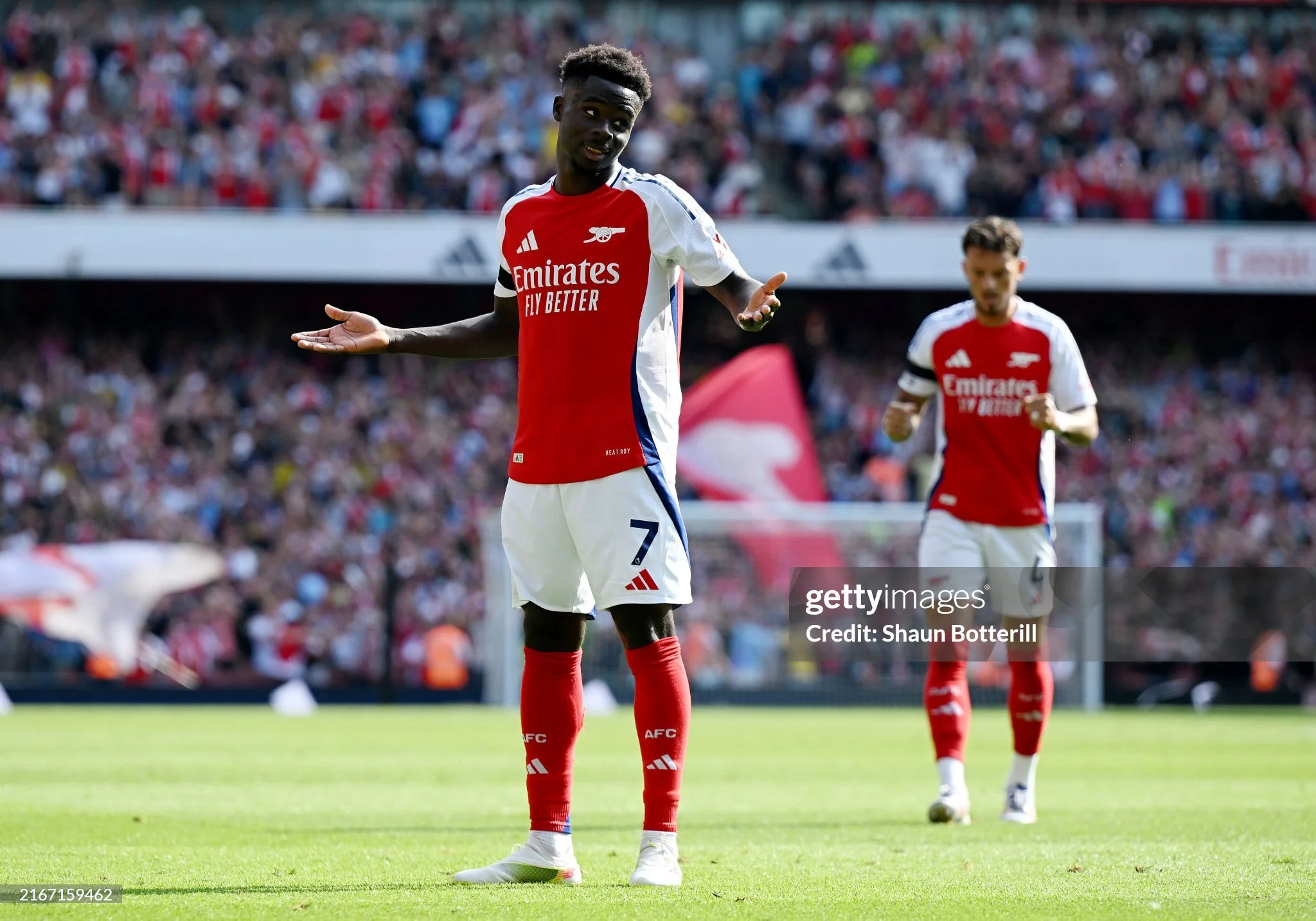
In previous Arsenal sides, leads often invited pressure but that’s not the case now. Statistically, opponents attempt fewer shots after the 60th minute against this team than against any Arsenal side of the Premier League era. This is why so many of their wins feel unspectacular but inevitable. The Invincibles overwhelmed teams with their power driving through the middle, with Thierry Henry usually finishing the chances.
This is what Arsenal are now missing, a strong central striker, providing 30 goals a season.
Arsenal have a few weeks left in the January transfer window to strengthen their squad to improve their chances on becoming Premier League champions, and possible Champions League winners. Could this be the season?