
Australia to ban social media for under 16s, Should the rest of the world take note?
By Phoebe Clark
Image by Adem AY via Unsplash
The Australian government has advised they will ban the usage of social media for under 16s by the end of the year, making it the first nation to do so. Popular platforms such as X, Instagram and TikTok will no longer be available for almost a fifth of the country’s current population.
From 10 December, under 16s will no longer be able to create a new social media account, with existing accounts to also be shut down in January 2026.
The country aims to crack down on young people’s access to harmful content such as cyber-bullying, pornographic videos, misogynistic content and graphic violence. In a study commissioned by the Australian Government earlier this year, it found that 96% of children aged 10-15 years old in the country are currently using social media. This change will affect a large quantity of young people and their guardians.
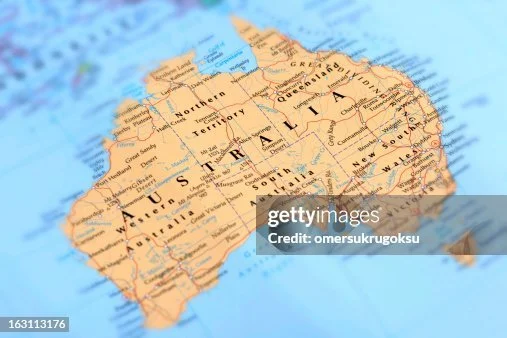
A map of Australia
While new laws and regulations are put into place down under, what might the rest of the world think of this new initiative? And will they follow suit in the future?
China as a nation have some of the strictest laws/regulations for social media usage worldwide. People under the age of 18 are limited to one hour of online gaming on specified days of the week. The nation’s version of TikTok, ‘Douyin’, further blocks access for users under the age of 14 between the hours of 10pm-6am.
Australia is not the first nation to deliver a clear message on social media usage for children. The European Parliament has made comment that they also feel social media should be banned for under 16s, unless their parent/guardian believes otherwise. Countries such as France, Germany and Denmark currently have regulations in place for young people, with parental consent mandatory to open a social media account between the ages of 13-16.
Catherine O’Boyle, 19, who moved to Glasgow from Ireland in recent years said: “I think if I was 16 now, I’d be annoyed if I couldn’t use social media anymore, but I do think that social media usage is crazy. I see people on TikTok posting that they were born in 2013, and I think that’s very young to be online.
“I don’t know how Australia and other countries would be able to monitor people’s real age, most 16-year-olds don’t have valid ID to prove their age. We have YoungScot cards here, but I’m not sure that they have similar things in other countries or how the age verification would work?”
Even featuring your young child online can be dangerous
Rory McAlpine, 18, living in Glasgow said: “I think the move is a bit controversial, social media comes with its problems as we all know, but it could also be educational for teenagers under 16 too. I think a better idea would be to lower the ban to say under 14s. I think 15 and 16-year-olds are old enough to know what they’re doing on social media.
“I don’t think other countries following what Australia has done would be the worst idea in the world, because there is a lot of problems with social media. I wouldn’t be opposed to new laws as they may be helpful in the long run.”
Amie Short, 22, from North Ayrshire said: “I think it’s a good thing. Teenagers will focus more on things like their education and sports, there will be less issues with phones in class. I also think people will get on better and there will be less online trolling.
“In terms of the laws being replicated worldwide, I agree with that completely.”
Stevie Craig, 18, who currently resides in Adelaide, South Australia said: “This ban I think will be very beneficial; however, it’s a bit harsh on the kids. It’s a good concept here but I think they executed it wrong. I think they should have banned future children’s access to social media until 16, but I feel it is unethical to take social media away from people who have already had it their whole life.
“I do agree with the ban concept for the most part, I have a little brother who is under 16. I do believe that the internet and social media have significantly impacted his childhood and his development.”
In July 2025, new safety regulations were introduced in the UK to protect young people online. It is now vital for online companies to follow laws and legislation put in place to stop children viewing content, which is harmful or illegal, they can now be fined or even jailed in extreme circumstances for their failure to do so.
Moreover, loopholes may become an issue, and although laws can be set in place, it will predominantly be up to the parents and guardians of young people to be aware of what their children are up to. Australia has set the tone for a potential new wave of online regulations for young people, and it will be interesting to see how this decision shapes the rest of the world in years to come.